


From systems integrator to multi-domain solutions provider (video)
Philipp von Brandenstein, Head of Corporate Communications at Rheinmetall, explains how Eurosatory 2026 marked a new stage in the company's evolution.


Sukhoi Superjet 100 SN 95004 has completed its cold soak trials in Yakutsk and returned to the Zhukovsky-based Sukhoi Civil Aircraft Company flight test centre on the outskirts of Moscow.
Yakutsk, the sixth regional airport in Russia and CIS, where the SSJ100 has successfully performed its assigned flight test programme, hosted successful runs of standard procedures designed to warm up the aircraft after long-term parking of up to 17 hours (while the aircraft was exposed to temperatures that reached –41°С) with a further check of aircraft system performance and a launch of the APU and then the engines. These procedures involved standard ground service equipment.
Upon warm-up completion, a total of seven test flights, assigned to this trial batch, was delivered, demonstrating the smooth operation of all onboard systems after aircraft’s low temperature soak. SCAC’s team also assessed the influence of short-term parking on aircraft availability for the next take-off.
The batch of operational cold soak trials was performed to support aircraft operation on regular flights, demonstrating its readiness for operation under temperatures as low as –41°С with no tailored equipment or procedures involved. Later, upon receipt of the type certificate, additional trials will be held to extend the temperature operational limits.


Philipp von Brandenstein, Head of Corporate Communications at Rheinmetall, explains how Eurosatory 2026 marked a new stage in the company's evolution.

The US Department of Defense has requested new contracting authorities from Congress, using the Army's MV-75 Cheyenne programme to demonstrate how competition, digital engineering and closer industry collaboration could accelerate acquisitions.

The US government plans to accelerate production even further after achieving key B61-13 milestones months ahead of schedule, as the programme advances amid growing US-China strategic competition.
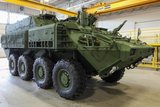
General Dynamics Land Systems-Canada is the country’s first strategic partner under the Defence Industrial Strategy’s Strategic Partnership Framework, an effort to provide companies with confidence to invest and boost the defence labour force.
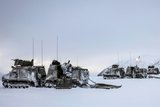
The UK’s Minister for the Armed Forces Louise Sandher-Jones made her first appearance in the role before the House of Commons Defence Committee this week to highlight efforts to improve capability in the High North.
Ottawa explores expanding defence-industrial cooperation with Washington into sensitive programmes, an approach that could reshape NORAD modernisation, strengthen North American supply chains and create new opportunities for defence contractors.

Connect with us on socials


