


From systems integrator to multi-domain solutions provider (video)
Philipp von Brandenstein, Head of Corporate Communications at Rheinmetall, explains how Eurosatory 2026 marked a new stage in the company's evolution.


A-29 Super Tucano trainer/light attack aircraft. (Photo: Embraer)
Embraer has selected OGMA to conduct MRO work in Portugal for A-29 Super Tucano aircraft, the Brazilian company revealed on 14 September.
OGMA will also implement ‘future modifications to the aircraft to meet the requirements of current and future customers in the [Europe, Middle East and Africa – EMEA] region’, Embraer added in a statement.
OGMA already provides logistical support for a Super Tucano airframe that supports Embraer sales demonstrations, and it will be the first EMEA company to provide MRO services for the A-29 in the region.
Operators of the aircraft include the air forces of African countries such as Angola, Burkina Faso, Mali, Mauritania and Nigeria.
‘We are following market developments for the A-29 Super Tucano and intend for OGMA to become a service centre of excellence for the aircraft,’ said Johann Bordais, president and CEO of Embraer Services and Support.
Embraer is also a long-time investor in the OGMA, most recently with €74 million for maintenance of Pratt & Whitney GTF engines.


Philipp von Brandenstein, Head of Corporate Communications at Rheinmetall, explains how Eurosatory 2026 marked a new stage in the company's evolution.

The US Department of Defense has requested new contracting authorities from Congress, using the Army's MV-75 Cheyenne programme to demonstrate how competition, digital engineering and closer industry collaboration could accelerate acquisitions.
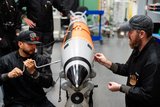
The US government plans to accelerate production even further after achieving key B61-13 milestones months ahead of schedule, as the programme advances amid growing US-China strategic competition.
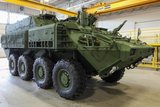
General Dynamics Land Systems-Canada is the country’s first strategic partner under the Defence Industrial Strategy’s Strategic Partnership Framework, an effort to provide companies with confidence to invest and boost the defence labour force.
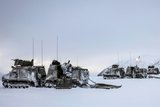
The UK’s Minister for the Armed Forces Louise Sandher-Jones made her first appearance in the role before the House of Commons Defence Committee this week to highlight efforts to improve capability in the High North.
Ottawa explores expanding defence-industrial cooperation with Washington into sensitive programmes, an approach that could reshape NORAD modernisation, strengthen North American supply chains and create new opportunities for defence contractors.

Connect with us on socials


