


Patria OPTIME and ILIAS: Orchestrating operational readiness across every domain
Patria OPTIME is a sustainment concept that integrates MRO and lifecycle services into one solution, powered by the ILIAS digital defence platform


Embraer subsidiary ECC Leasing Company has leased four ERJ 135 pre-owned jets to South African Airlink.
The aircraft will replace some of the airline’s turboprops and are scheduled to be delivered by the end of January, making an important contribution to the transportation needs of the 2010 FIFA World Cup.
“It is significant to Embraer that Airlink has chosen to source additional ERJ 135s from ECC, since this reaffirms the clear value that we, as the manufacturer, bring to the highly competitive pre-owned market. The ERJ 135 is a perfect fit for the airline’s network, and will certainly play a key role in the company’s future growth,” said Mark Dunnachie, managing
Director, ECC Leasing.
South African Airlink’s ERJ 135 jets, configured in a 37-seat layout, will be based in Johannesburg and deployed on regional routes that are expected to be increasingly busy, as the soccer World Cup event gets underway in June.
“We are very pleased to increase our fleet of ERJ 135 jets to meet the growing demand of our domestic and intra-regional markets,” said Rodger Foster, CEO of South African Airlink. “These regional jets will replace our oldest turboprops, improving reliability and quality of service. Travel time will be reduced, while providing a more comfortable cabin for our passengers. This is an opportune time for introducing larger and more efficient aircraft. Furthermore, we see clear benefits in dealing directly with the manufacturer, Embraer, through ECC.”

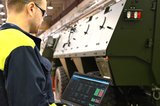
Patria OPTIME is a sustainment concept that integrates MRO and lifecycle services into one solution, powered by the ILIAS digital defence platform

US Air Force, Army, Marine Corps and Special Operations Command initiatives signal demand for interoperable uncrewed systems control, creating opportunities for suppliers of hardware, software and integration services.

In Conversation… The geopolitical landscape is increasingly uncertain, with the UK and its allies confronting the most unpredictable international environment for decades. To adapt, defence readiness must begin long before assets reach the front line, forging a resilient support enterprise that can thrive in a time of ongoing disruption, argue the partners of Team ORION.

In conversation… Everfox’s Chairman and Chief Executive Officer Dave Wajsgras and Managing Director, International, Colin McKinty discuss the critical importance of information security in defence, minimising insider risk and the company’s international growth strategy with Shephard’s Andrew White.

In Conversation… Shephard’s Andrew White talks to Zafer Şen, CEO and co-founder of OBSS, about the future of command-and-control software in the age of artificial intelligence, and his company’s ambitions in the UK defence market.
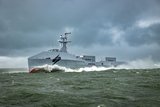
Outside investment and the direction in which venture money flows may reveal what defence will buy years before formal programmes begin.

Connect with us on socials


