


The 2020s: a decade of UAV spending growth
Total annual drone spending has increased nearly sixfold since the start of the decade, from $2.9 billion in 2020 to $16.3 billion in 2028, with Europe leading the rise.


Pakistani Air Force F-16. (Photo: PAF)
Lockheed Martin has been earmarked as prime contractor in a potential $450 million FMS deal to consolidate existing F-16 aircraft sustainment for the Pakistan Air Force (PAF) and add ‘continued support elements’, the US State Department announced on 7 September.
‘The proposed sale does not include any new capabilities, weapons, or munitions,’ the State Department noted.
The potential FMS features participation in F-16 Aircraft Structural Integrity Program, Electronic Combat International Security Assistance Program, International Engine Management Program and Engine Component Improvement Program, plus aircraft and engine ‘hardware and software modifications and support’.
The PAF operates the F-16A/B and F-16C/D variants.
A State Department official said: ‘Pakistan is an important counterterrorism partner, and as part of longstanding policy, the United States provides life cycle maintenance and sustainment packages for US-origin platforms.
‘The F-16 fleet allows Pakistan to support counterterrorism operations and we expect Pakistan to take sustained action against all terrorist groups.’

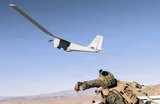
Total annual drone spending has increased nearly sixfold since the start of the decade, from $2.9 billion in 2020 to $16.3 billion in 2028, with Europe leading the rise.
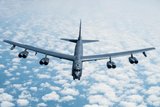
The US Air Force is seeking additional contractors to support communications upgrades for the B-52, while multiple Stratofortress modernisation programmes continue to experience delays, cost growth and technical challenges.

Farnborough International Airshow (FIA) 2026 revealed the growing scale of the UK’s uncrewed ambitions, with companies showcasing new CCA, autonomous wingmen and surveillance drones, while sovereign production emerged as a key factor for multiple programmes.

The biannual Farnborough International Airshow 2026 was the backdrop in July for scores of deals, partnerships and announcements, including developments in the multinational next-generation Global Combat Air Programme and the UK’s $486 million trainer aircraft requirement.
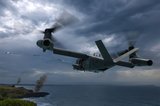
Bell Flight’s modular open-systems approach for the US Army’s MV-75 Cheyenne could open doors for international allies and suppliers once locked out by closed rotorcraft architectures.

BAE Systems’ all-digital EW delivers 360-degree threat awareness in contested environments, boosts survivability, and cuts lifecycle costs.

Connect with us on socials


