


Germany could secure greater influence through sixth-generation fighter partnership with Sweden and Spain
Germany is assessing potential pathways for a future sixth-generation fighter capability, including discussions with GCAP partners and Sweden.


The freshly arrived AH-64E Apaches were remanufactured from the Netherlands AH-64D fleet. (Photo: US DoD/Netherlands Air Force)
The US has delivered two new AH-64E, Version 6 Apache Guardian attack helicopters to the Royal Netherlands Air Force (RNAF), the US Program Executive Office has announced. The rotorcrafts were transported by a US Air Force C-17 to Woensdrecht Air Base Logistics Center-Woensdrecht (LCW) for initial inspection and inventory.
Currently, the Netherlands has a total of 28 Boeing-made Apaches on order. The two deliver helicopters and follow-on aircraft will be assembled and tested at Woensdrecht, before being flown to their future operating station of Gilze-Rijen Air Base. Final delivery of the upgraded aircraft has been scheduled to take place in 2025.
The freshly arrived AH-64E Apaches were remanufactured from the Netherlands AH-64D fleet. Although the AH-64Es use parts from the original AH-64D, all the systems have been reset, so can be considered new aircraft.
Upgrades in the E model have incorporated the most modern configuration, including more powerful engines, an upgraded gearbox and new composite rotor blades. The new attack helicopters also feature updated communications, navigation, sensors, data correlation and pilot cognitive decision aiding systems.
“The successful delivery of the new AH-64E v6 Apache is a turning point for the Netherlands and is emblematic of the significant long-term partnership between the US Army and the RNAF,” said Alexa Alejo, a product manager with PEO Aviation’s Apache project office. “The Apache is the most advanced attack helicopter and the RNAF is gaining a significant increase in attack power, versatility, situational awareness and interoperability.”
The Netherlands Armed Forces have been operating the Apache since 1998.
Version 6 of the AH-64 is not the latest type. Boeing announced last October the successful maiden flight of the latest version of the AH-64E, known as Version 6.5 (V6.5). The company said that the upgraded configuration represented a vital step in modernising the attack helicopter.

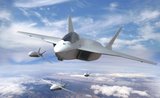
Germany is assessing potential pathways for a future sixth-generation fighter capability, including discussions with GCAP partners and Sweden.
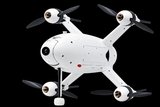
Quantum Systems’s Ukraine-made interceptor SPYS is thought to cost approximately 10 times less than Russia's jet-powered uncrewed aerial systems and is being produced at scale.
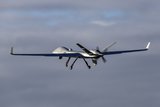
The UK is seeking to extend the operational reach of uncrewed aerial vehicles, reflecting growing demand for compact, energy-efficient technology to support beyond-line-of-sight operations.
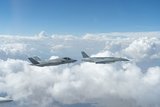
Northrop Grumman, Airbus and Anduril are positioning their uncrewed aerial vehicles for future collaborative combat aircraft contracts in a market that is forecast to exceed $36 billion.
Senior military leaders have highlighted the need for interoperable systems, common data standards and closer cooperation between India's armed services.
Airbus is developing new capabilities for its A400M transport aircraft as European countries consider future airlift requirements and the UK plans to deploy the aircraft to Saudi Arabia.

Connect with us on socials


