Malaysia puts pen to paper for LCA tender
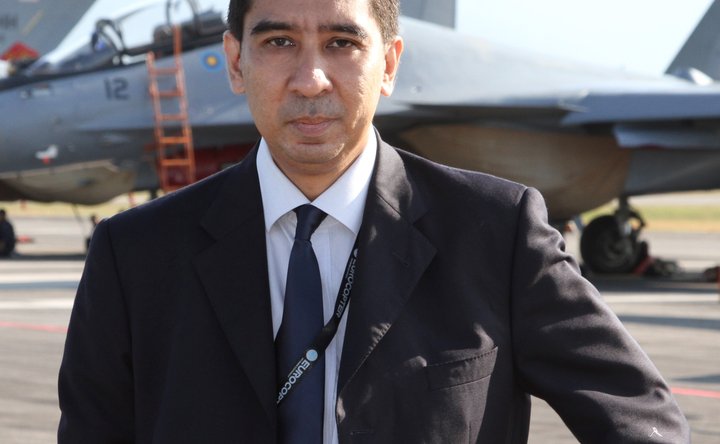
The RMAF needs to replace existing aircraft like the MB-339CM with a new platform. (Dzirhan Mahadzir)
Malaysia has been talking about new light combat aircraft for some time, but finally a tender is out for 18 aircraft.


Malaysia issued a long-anticipated tender for 18 light combat aircraft on 22 June. The international tender, closing on 22 September, called for the supply, delivery and commissioning of 18 Fighter Lead-In Training - Light Combat Aircraft (FLIT-LCA) and associated equipment.
These aircraft will replace Aermacchi MB-339CM trainers and BAE Hawk 100/200s that the Royal Malaysian Air Force (RMAF) operates in both trainer and light combat roles.
No further details were released on the tender, but under the RMAF’s CAP55 plan, three squadrons of FLIT-LCAs are called for. However, the RMAF stated previously that an initial buy to outfit a squadron
Our news & analysis is now part of Defence Insight®
A Basic-level or higher Defence Insight subscription is now required to view this content.

More from Air Warfare
-
![US Navy moves EA-18G Growler Block II electronic-attack upgrade into full-rate production]()
US Navy moves EA-18G Growler Block II electronic-attack upgrade into full-rate production
A US$184.25 million contract for Next Generation Electronic Attack Units advances the Growler’s modernisation as the US Navy confronts ageing systems, parts shortages and obsolescence.
-
![Could the next UAS market boom take place beyond the battlefield?]()
Could the next UAS market boom take place beyond the battlefield?
While the headlines remain dominated by the use of drones for combat operations in Ukraine and other conflicts, there are emerging use cases where the technology could usefully feed back into areas and missions outside the war zone.
-
![USAF eyes sensor and weapon upgrades as MH-139A Grey Wolf achieves IOC]()
USAF eyes sensor and weapon upgrades as MH-139A Grey Wolf achieves IOC
The Grey Wolf has entered operational service nearly three years later than originally planned, while new sustainment contracts indicate that some UH-1Ns could remain supported until 2031.