Indonesia invests in Mirages to plug a fighter shortfall
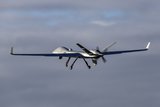
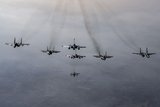
Indonesia is adding 12 ex-Qatari Mirage 2000-5 fighters to its depleted combat air force. (Photo: US DoD)
Indonesia’s air force goes back in time to acquire ex-French, ex-Qatari Mirage fighter jets.


A dozen Mirage 2000-5 fighters are destined for Indonesia after Jakarta sealed a €733 million ($802 million) deal for these third-hand aircraft from Qatar.
The Public Relations Bureau of the Indonesian MoD confirmed the news on 13 June. However, the air force later said the deal had been signed in January.
Funding for the nine single-seat Mirage 2000-5EDA and three twin-seat Mirage 2000-5DDA fighters will come from foreign loans approved by the Ministry of Finance. The contract includes 14 engines, three years of support services and crew training.
The Mirages will be delivered within two years of the contract signature
Our news & analysis is now part of Defence Insight®
A Basic-level or higher Defence Insight subscription is now required to view this content.

More from Air Warfare
-
![UK eyes lightweight satellite communications for UAVs]()
UK eyes lightweight satellite communications for UAVs
The UK is seeking to extend the operational reach of uncrewed aerial vehicles, reflecting growing demand for compact, energy-efficient technology to support beyond-line-of-sight operations.
-
![The new generation of defence companies emerging from the US UAV boom]()
The new generation of defence companies emerging from the US UAV boom
As the Pentagon accelerates procurement of low-cost, lethal UAVs through its Drone Dominance Program, emerging suppliers will need to demonstrate manufacturing capacity, supply chain resilience and reliability.
-
![US Coast Guard faces key procurement decisions after C-130J and MQ-9B orders]()
US Coast Guard faces key procurement decisions after C-130J and MQ-9B orders
The service is updating several parts of its aviation fleet including fixed-wing and rotary-wing aircraft and procuring uncrewed aircraft to boost its maritime surveillance.