India reopens hunt for reconnaissance and surveillance helicopters
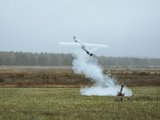
HAL Light Utility Helicopter pictured during a test flight. (Photo: Indian MoD)
The extended deadline for vendors highlights the complexity of the procurement for India, with numerous vendors positioning themselves for the programme.


India’s stop‑start quest for 200 light reconnaissance and surveillance helicopters (RSH) has resurfaced after 15 years.
The Indian Ministry of Defence (MoD) has reissued a request for information (RfI) to replace around 270 of its ageing Chetak and Cheetah fleet crippled by unavailable rotables and a serviceability gap of nearly 37%, undermining the military’s high‑altitude readiness.
With frontline helicopters in high-altitude and border deployments long overdue for replacement, the Indian Army leased 20 light choppers last year to plug high-altitude gaps. During the short conflict with Pakistan, dubbed “Operation Sindoor”, vintage Chetaks and Cheetahs proved vital, rekindling the urgency for
Our news & analysis is now part of Defence Insight®
A Basic-level or higher Defence Insight subscription is now required to view this content.



More from Air Warfare
-
![Czech Republic UAV focus: moderate market value masks limited supplier opportunities]()
Czech Republic UAV focus: moderate market value masks limited supplier opportunities
The Czech Republic’s shift towards smaller uncrewed aerial vehicles has reshaped its procurement priorities, leaving nearly three-quarters of the market unawarded. Yet with this value concentrated in just two programmes, the highest-value opportunities could contain a high level of risk.
-
![RAF Protector fleet grows as UK maritime surveillance role takes shape]()
RAF Protector fleet grows as UK maritime surveillance role takes shape
The RAF’s expanding Protector RG1 fleet could play a growing role in UK maritime surveillance following its first domestic operational sorties, with further aircraft deliveries scheduled through 2027.
-
![Oshkosh and Grid Aero tie-up tests new model for scaling military UAS production]()
Oshkosh and Grid Aero tie-up tests new model for scaling military UAS production
By combining established manufacturing capacity with startup aircraft design, the partnership could offer an alternative approach to scaling military uncrewed aircraft production.
-
![Poland air focus: $8.27 billion UAV market highlights value of long-term supplier relationships]()
Poland air focus: $8.27 billion UAV market highlights value of long-term supplier relationships
Poland’s growing investment in UAVs highlights how recurring procurement contracts and continuous technological development can provide suppliers with sustained opportunities beyond initial acquisitions.