Naval Warfare Review 2024: Business as usual overshadowed by geopolitics and budgets, but innovation promised solutions
The decommissioned HMS Albion, a symbol of defence cuts in 2024. (Photo: UK MoD)
There was solid programme advancement around the world in 2024, but a combination of more threats, fleet unreadiness and a financial squeeze darkened naval horizons as the year advanced.


What kind of year has it been?
In the naval domain, the answer to that question in 2024 depended on whose navy you spoke to, and what challenges they faced. The idea of ‘business as usual’ came under threat across the year from geopolitical shifts that created new threats, from budgetary shackles, and from the rise of new technologies.
2024 saw several new programmes of consequence signed, started, or brought to fruition, though.
Early in the year, Peru decided to replace its ageing Lupo-class frigates with some lightweight modern alternatives. The nation’s navy chose only one strategic partner
Our news & analysis is now part of Defence Insight®
A Basic-level or higher Defence Insight subscription is now required to view this content.



More from Naval Warfare
-
![RTX confirms US Marine Corps and US Navy acquire Hadalus UUV]()
RTX confirms US Marine Corps and US Navy acquire Hadalus UUV
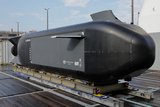
RTX told Shephard that the Hadalus UUV has been procured by the US Marine Corps and the Office of Naval Research for operational experimentation as the company prepares additional demonstrations with the US Navy, NATO and AUKUS partners.
-
![Europe’s naval contractors benefit from growing refit and upgrade demand]()
Europe’s naval contractors benefit from growing refit and upgrade demand
Rheinmetall’s order to modernise the German Navy frigate Bayern points to a wider European shift towards extending warship service life as new-build programmes face delay.
-
![The UK joins the movement towards joint procurement]()
The UK joins the movement towards joint procurement
The UK will spend an estimated US$3.89 billion over the next decade in joint naval programmes, a lot of which will be in cooperation with Norway.