UK ‘Hybrid Navy’ steps up as Norway cooperation reinforces Arctic strategy
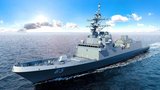
The UK and Norway will operate a combined fleet of Type 26 frigates to support anti-submarine warfare efforts. (Photo: BAE Systems)
As Russia commits billions to new warships and stealth submarines, the UK is reshaping its strategy with expanded troop deployments, shared frigate fleets and a shift towards uncrewed platforms.


The UK is pushing ahead with its transformation into a ‘Hybrid Navy’ to maintain an operational advantage over Russian threats, alongside bolstering its cooperation with Norway in the Atlantic as part of the ongoing Russian deterrence effort in the GIUK gap and Arctic approaches.
The Hybrid Navy concept, under the First Sea Lord’s Warfighting Ready Plan 2029, involves the modernisation of the UK Royal Navy’s (RN) operational capabilities with a focus on crewed, uncrewed and autonomous vessels to combat modern threats, including infrastructure sabotage, missiles and submarines. The idea is to create a more agile, responsive force using a combination
Already have an account? Log in
Want to keep reading this article?

More from Naval Warfare
-
![European navies line up $105.8 billion in unawarded contracts for 2026]()
European navies line up $105.8 billion in unawarded contracts for 2026
France, Germany and Italy lead the way on unawarded naval defence opportunities that could be awarded this year, but across Europe countries are ramping up their spending efforts to face geopolitical challenges.
-
![RTX Raytheon targets nearly 170% RAM production increase to meet global demand]()
RTX Raytheon targets nearly 170% RAM production increase to meet global demand
The US multinational company is currently assembling 300 Rolling Airframe Missile rounds per year, with plans to reach 800 units annually after significant investment and modernisation of its facilities.
-
![Raytheon will develop an advanced naval sensing and targeting system for DARPA]()
Raytheon will develop an advanced naval sensing and targeting system for DARPA
RTX’s solution for DARPA’s Pulling Guard programme is intended to provide advanced maritime defence technologies to protect platforms against uncrewed surface vehicles and other threats.