Royal Navy’s Type 31 frigate to use half the crew of the Type 23 and embrace automation
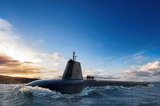
The Type 31 frigate has been built with the human factor in mind. (Image: Royal Navy/Crown copyright)
The Royal Navy’s Type 31 frigate is incorporating automation, reduced crew requirements and enhanced living conditions into its design as the force attempts to meet modern operational demands.


Navies the world over are facing a trinity of issues: recruiting suitably qualified sailors; equipping larger, more effective ships with smaller crews; and, following the experiences of Covid-19, creating warships suitable for potential long-term living.
At last month’s Surface Warships conference in London, one expert speaker explained how the Royal Navy (RN) was tackling those challenges with radical, novel design and build features in its Inspiration-class Type 31 frigate.
The five-vessel Type 31 class was envisaged as a general purpose vessel to balance the RN’s frigate fleet, including the ageing Duke-class Type 23 and the significantly more high-end anti-submarine war machines
Our news & analysis is now part of Defence Insight®
A Basic-level or higher Defence Insight subscription is now required to view this content.


More from Naval Warfare
-
![Dreadnought Phase 4 opens £2.5 billion supply chain opportunity]()
Dreadnought Phase 4 opens £2.5 billion supply chain opportunity
The UK government’s £8.4 billion Dreadnought Phase 4 investment sets aside £2.5 billion for the wider submarine supply chain, opening new work beyond BAE Systems’ prime contract.
-
![A400M trial demonstrates airborne deployment of uncrewed surface vessel]()
A400M trial demonstrates airborne deployment of uncrewed surface vessel
Kraken Technology Group’s A400M airdrop of a K3 Scout uncrewed surface vessel points to a new way for navies to insert USVs into contested waters, bypassing ports and motherships.
-
![From the seas to the web: the changing shape of UK defence in Southeast Asia]()
From the seas to the web: the changing shape of UK defence in Southeast Asia
As his final engagement before leaving his post as the head of the British defence staff for Southeast Asia and defence adviser to Singapore, Brigadier Eddie Maskell-Pedersen spoke with Shephard about maritime security, cyber cooperation and long-term partnerships.