


China’s mineral processing dominance exposes naval supply chain vulnerabilities
Competition for critical minerals, and China’s dominance of their processing, is emerging as a decisive factor in future naval procurement programmes.


Raytheon has received a $402.65 million contract modification for low-rate initial production (LRIP) of the AN/SPY-6(V) Air and Missile Defense Radar (AMDR).
Through this order, the US Navy is exercising options under a previously awarded contract. The modification will provide the navy with three LRIP AMDR units for DDG 51 Flight III-class ships.
The radar provides vessel protection against air, surface and ballistic missile threats. The radar is built with individual building blocks called Radar Modular Assemblies (RMA). Each RMA is a self-contained radar in a 2in x 2in x 2in box, which can stack together to form any size array to fit the mission requirements of different vessels.
Work on this contract is expected to be completed by March 2023.

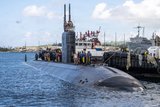
Competition for critical minerals, and China’s dominance of their processing, is emerging as a decisive factor in future naval procurement programmes.
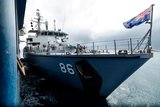
Australia’s mine countermeasure capability remains in flux as the Huon-class nears retirement, but accelerated investment in autonomous systems is opening a path for industry.

As the Iran War draws US ships and marine corps units away from the Indo-Pacific, curtailed exercises and a temporary carrier gap are exposing tensions between Washington’s demand for more self-reliant allies and the joint training needed to realise that ambition.
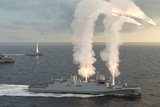
With Canada committed to its River-class replacement and the USN pursuing a lower-cost frigate, Rheinmetall will need to demonstrate where the GMF 140 can fill a capability gap in the North American fleet.

Australian businesses can now bid to support Virginia-class submarine sustainment in Western Australia, as momentum around the Henderson Defence Precinct also builds.

Washington’s search for a foreign-built frigate could hand South Korea, Japan and Turkey a larger prize than a double-hull order: a foothold inside the US shipbuilding industrial base.

Connect with us on socials


