Naval Warfare magazine: nuclear submarines, Australian naval power and more
Read the latest edition of Naval Warfare for free in our app or on your desktop.


What’s inside this edition:
COMMENT: House of cards
The USN has high ambitions, but investment is needed as outdated shipyard infrastructure could undermine its ability to field and maintain a 355-ship navy.
Features include:
Billion-dollar boats
In some respects the ultimate expression of naval power projection, nuclear submarines are an expensive asset to procure and field. With key programmes plagued by delays and cost overruns, does being a member of the SSN or SSBN club provide a good return on investment for modern navies?
Shipshape and Brisbane fashion
As the UK Carrier Strike Group transits to Asia-Pacific, it is useful to examine the naval capabilities of regional powers. In this article, Shephard takes an in-depth look at the Royal Australian Navy’s modernisation efforts.
Sea of troubles
The Eastern Mediterranean naval market is volatile, with drives to cement indigenous shipbuilding capabilities and shifting political alliances creating a complex environment for would-be suppliers of naval vessels to the region.
In the line of duty
EOD is a necessary role, but extremely dangerous for those involved. AUVs can help protect lives by assuming responsibility for the most dangerous aspects of MCM and other waterborne missions.
On the surface
For the foreseeable future, the US surface fleet will be protected by the AN/SLQ-32 and AN/ALQ-248 EW systems. But what avant-garde technologies might supplement or replace them over the longer term?
Bonus content coming soon.


More from Naval Warfare
-
![Hanwha Ocean deepens US ties and eyes Saudi submarine prospect after Canada setback]()
Hanwha Ocean deepens US ties and eyes Saudi submarine prospect after Canada setback
Hanwha Ocean is deepening ties with the US and eyeing a submarine opportunity in Saudi Arabia, as South Korea looks to convert its Canadian defeat into export momentum.
-
![A400M trial demonstrates airborne deployment of uncrewed surface vessel]()
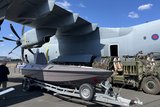
A400M trial demonstrates airborne deployment of uncrewed surface vessel
Kraken Technology Group’s A400M airdrop of a K3 Scout uncrewed surface vessel points to a new way for navies to insert USVs into contested waters, bypassing ports and motherships.
-
![Babcock onshores 85% of Canada’s submarine supply chain as it eyes future CPSP programme]()
Babcock onshores 85% of Canada’s submarine supply chain as it eyes future CPSP programme
By moving most of the Royal Canadian Navy’s submarine supply chain into Canada, Babcock Canada is driving to strengthen sovereign sustainment capabilities while preparing to compete to maintain the future Canadian Patrol Submarine Project.
-
![From the seas to the web: the changing shape of UK defence in Southeast Asia]()
From the seas to the web: the changing shape of UK defence in Southeast Asia
As his final engagement before leaving his post as the head of the British defence staff for Southeast Asia and defence adviser to Singapore, Brigadier Eddie Maskell-Pedersen spoke with Shephard about maritime security, cyber cooperation and long-term partnerships.