Naval Warfare magazine: Frigates, US power projection, Asia-Pacific focus and more


Read the latest edition of Naval Warfare for free in our app or on your desktop. Register below to be sent the download link and receive future editions direct to your inbox.
Comment
In the same week that the US military stood up its Space Force, concerns elsewhere were firmly concentrated on naval capabilities, threats and opportunities that will have to be faced in the near future.
Features include:
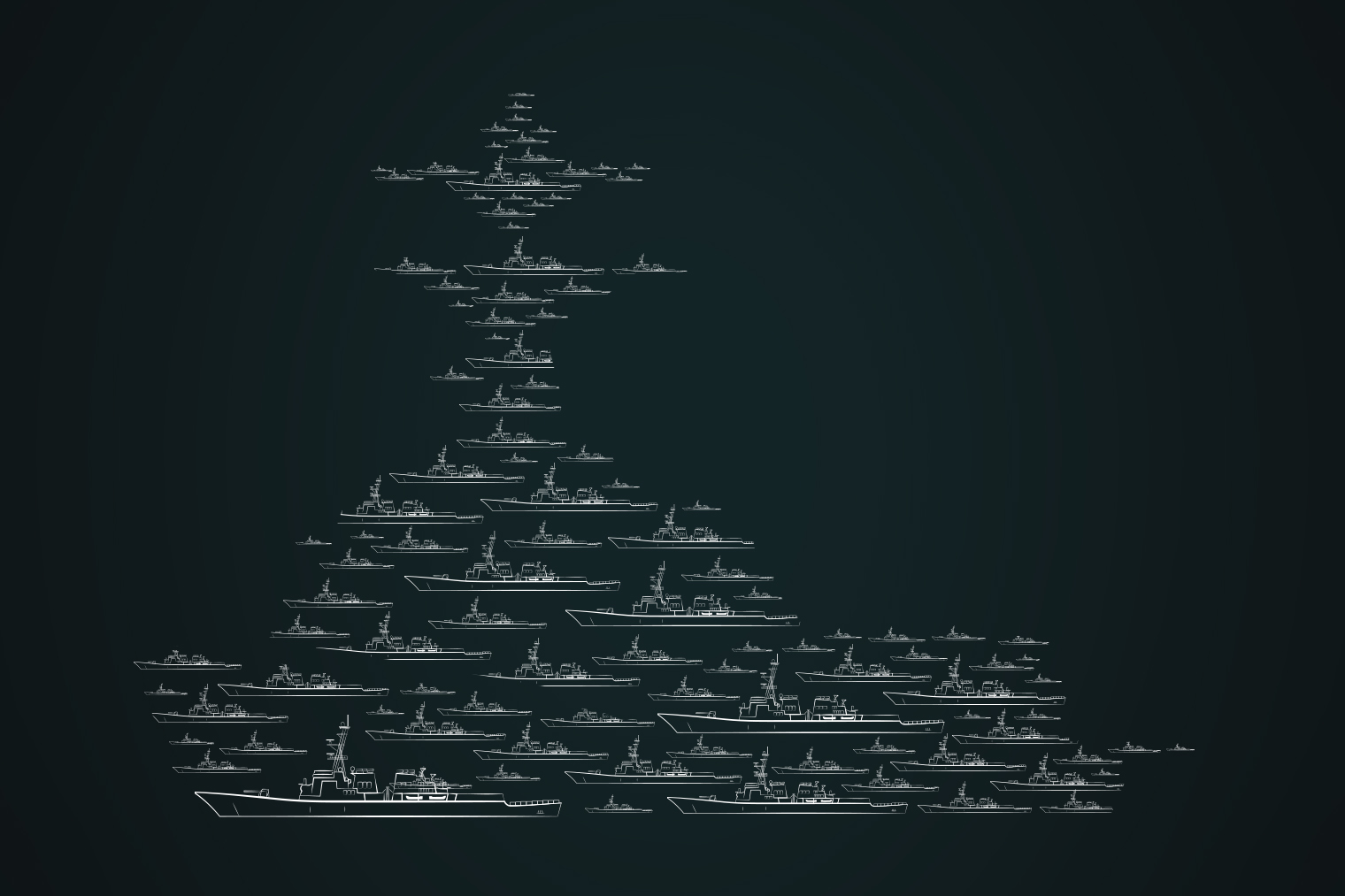
Peer Pressure
USN fleet planning must adapt to face the realities of capable adversaries such as China and Russia. Shephard examines how the service is approaching the challenges ahead.

Strategic balance
The role of the frigate is changing in modern navies, with new threats and missions influencing requirements for this class of warship.

Scratching the surface
While much has been written on the USN’s surface fleet strategy in terms of hull numbers, the service’s willingness to shift towards using unmanned, autonomous surface combatants is equally significant.
Other features include:
Planning ahead
Beijing’s naval ambitions in the South China Sea and further afield have been a cause of concern for some years. Shephard analyses the responses of other regional actors and powers.
New lease of life
Extending the life of surface combatants is often an appealing alternative to procuring new hulls, but changes in budgets and missions, plus delays to upgrade and successor programmes, can disrupt the best intentions.
Coastal command
The doctrinal shift towards preparing for conflicts in contested environments against highly capable adversaries is exemplified by the field of littoral operations.
On the sly
Relied upon to clandestinely insert special reconnaissance teams into an area of operation undetected by enemy forces and indigenous populations, swimmer delivery vehicles remain a mission-critical asset for maritime SOF units around the world.
Taking aim
Navies are on the cusp of a revolution as a first generation of shipborne high-energy laser weapon systems approaches introduction to service. But platform integration challenges remain.


You may also like

More from Naval Warfare
-
![Industrial teams prepare roadmap for Indonesia aircraft carrier transformation]()
Industrial teams prepare roadmap for Indonesia aircraft carrier transformation
Fincantieri and PT PAL have agreed on a framework to modernise the former Giuseppe Garibaldi, with drones, communications and broader Italian–Indonesian industrial ties involved.
-
![Five years on: where could opportunities emerge next for AUKUS Pillar II?]()
Five years on: where could opportunities emerge next for AUKUS Pillar II?
Payload commonality, combat systems and electronic warfare are emerging as likely priorities as the trilateral partnership balances building submarines with sharing industrial ecosystems.
-
![Singapore expands maritime presence with future-ready Sentinel OPV]()
Singapore expands maritime presence with future-ready Sentinel OPV
Singapore is building space for uncrewed systems and future technologies into its new Sentinel-class OPVs, reflecting a wider move towards adaptable vessels capable of maintaining persistent maritime presence.
-
![From the Baltic to the Gulf: where USV procurement is heading next]()
From the Baltic to the Gulf: where USV procurement is heading next
Saildrone’s new Copenhagen base is one sign of a larger shift, as navies globally turn to uncrewed vessels for surveillance and mine clearance.
-
![Israeli Navy looks to expand as war reshapes future force requirements]()
Israeli Navy looks to expand as war reshapes future force requirements
Israel’s navy is preparing for a larger and more technically diverse role, but its ambitions could be impacted by supply chain restrictions, accelerating demand for domestic naval production as well as autonomous maritime capabilities.