MBDA receives three Sea Viper contracts
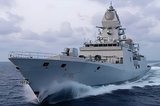
Sea Viper has been the primary air defence system for UK Royal Navy’s Type 45 destroyers. (Photo: MBDA)
The new Sea Viper Evolution (SVE) system foresees the use of the Aster 30 B1 missile, the latest addition to the Aster family and an upgrade to Sea Viper’s primary sensor, the Sampson Multi-Function Radar (MFR).


MBDA will upgrade the UK Royal Navy’s (RN’s) Sea Viper air defence system under three contracts worth £400 million (US$508 million), two under SVE and the third to provide extended and enhanced in-service support contract for Sea Viper for a further five years.
The first two contracts will enable the Type 45 Destroyers to defend the Carrier Strike Group against anti-ship ballistic missiles.
The main element of SVE will see the Royal Navy’s existing Aster 30 missiles receive upgraded Block 1 warheads and new guidance and seeker software to deal with new anti-ship ballistic missile threats, while retaining its world leading anti-air warfare capability.
The Type 45’s Sampson multi-function radar, and combat management system will also be upgraded. An integrated team from MBDA across the UK, France and Italy has been conducting the work together with BAE Systems Maritime Services.
The second part of Sea Viper Evolution will be an assessment phase evaluating the addition of the new Aster 30 Block 1NT missile to the Type 45 destroyers, as well as further improvements to the radar and the wider weapon system.



More from Naval Warfare
-
![Five years on: where could opportunities emerge next for AUKUS Pillar II?]()
Five years on: where could opportunities emerge next for AUKUS Pillar II?
Payload commonality, combat systems and electronic warfare are emerging as likely priorities as the trilateral partnership balances building submarines with sharing industrial ecosystems.
-
![From the Baltic to the Gulf: where USV procurement is heading next]()
From the Baltic to the Gulf: where USV procurement is heading next
Saildrone’s new Copenhagen base is one sign of a larger shift, as navies globally turn to uncrewed vessels for surveillance and mine clearance.
-
![Israeli Navy looks to expand as war reshapes future force requirements]()
Israeli Navy looks to expand as war reshapes future force requirements
Israel’s navy is preparing for a larger and more technically diverse role, but its ambitions could be impacted by supply chain restrictions, accelerating demand for domestic naval production as well as autonomous maritime capabilities.
-
![Quantum sensing gathers pace as navies eye undersea advantage]()
Quantum sensing gathers pace as navies eye undersea advantage
As AI dominates defence conversations, industry increasingly points to quantum sensing as the technology set to change submarine and uncrewed underwater vehicle operations.