HNoMS Otto Sverdrup takes command of NATO’s SNMG1


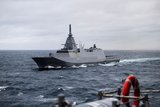
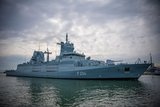
The Royal Norwegian Navy’s HNoMS Otto Sverdrup has departed on its seven-month mission as flagship for NATO’s standing naval fleet SNMG1.
The frigate will patrol the waters of Northern Europe as the command vessel of the naval fleet of four to six destroyers and frigates. It is crewed by Norwegian force commander, Yngve Skoglund, and NATO personnel from six countries.
During its mission, the fleet will train personnel and equipment, exercise with other allied vessels and conduct regular port visits in the region.
SNMG1 is a flexible force that can conduct anti-surface, anti-submarine and anti-aircraft warfare. If necessary, it will be among the first NATO forces to respond in the waters of Northern Europe.
NATO has four standing maritime forces in Europe: two destroyer/frigate groups (SNMG1 and SNMG2) and two mine countermeasures groups (SNMCMG1 and SNMCMG2). The four groups are sailing constantly and are ready to respond immediately if necessary. SNMG1 and SNMCMG1 are deployed in the waters of Northern Europe, while SNMG2 and SNMCMG2 operate in Southern Europe.
Related Equipment in Defence Insight

You may also like
More from Naval Warfare
-
![Australian industry programme builds pipeline for Virginia-class sustainment]()
Australian industry programme builds pipeline for Virginia-class sustainment
Australian businesses can now bid to support Virginia-class submarine sustainment in Western Australia, as momentum around the Henderson Defence Precinct also builds.
-
![South Korea, Japan and Turkey vie for US shipbuilding access in future frigate contest]()
South Korea, Japan and Turkey vie for US shipbuilding access in future frigate contest
Washington’s search for a foreign-built frigate could hand South Korea, Japan and Turkey a larger prize than a double-hull order: a foothold inside the US shipbuilding industrial base.
-
![Japan’s FY2027 budget bets on stand-off systems to offset demographic decline]()
Japan’s FY2027 budget bets on stand-off systems to offset demographic decline
Japan’s FY2027 defence budget backs stand-off strike, a 17-aircraft MQ-9B buy and a declared bid to lead the world in uncrewed maritime assets, alongside new frigates, submarines and support ships.
-
![Russia’s uncrewed boat portfolio hints at future naval demand]()
Russia’s uncrewed boat portfolio hints at future naval demand
Ukrainian intelligence has catalogued more than 20 Russian uncrewed surface vessels, revealing a portfolio weighted towards mine warfare and logistics, with implications for Western naval investment.
-
![Ukraine’s new long-range 12m autonomous vessel can deploy other drones]()
Ukraine’s new long-range 12m autonomous vessel can deploy other drones
Ukraine’s UForce unveiled the MV11 uncrewed surface vessel, designed to launch and support other naval drones at sea, fuelling debate over the future of autonomous maritime task groups.