


US Navy bets on radio frequency to increase vessel protection against aerial threats
A Northrop Grumman RF-based defensive capability will equip USN destroyers and aircraft carriers to enhance their survivability against missile and drone attacks.


The Hellenic Navy has placed an order for 11 METIS RIBs from Viking Life-Saving Equipment.
The boats will be supplied by the company’s Greek branch, Viking Norsafe Life-Saving Equipment Hellas. They will be manufactured at a facility in Thiva.
The SAR craft will be delivered in summer 2020 and they will gradually replace boats used on larger vessels, including the MEKO-type frigates.
Endre Eidsvik, VP Sales & Service of Viking Norsafe Life-Saving Equipment Hellas, said: ‘Being based on the very successful Viking Norsafe METIS family of RIBs, these boats are easy to launch, highly manoeuvrable and versatile, and the ideal support tool for SAR operations.’
METIS RIB can reach speeds of 30kt when fully loaded and includes state-of-the-art navigation systems. It is powered by a single engine and is between 6m and 7m in length.

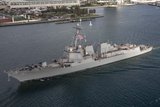
A Northrop Grumman RF-based defensive capability will equip USN destroyers and aircraft carriers to enhance their survivability against missile and drone attacks.
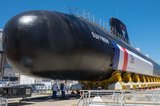
As the Hellenic Navy looks to replace its ageing submarines with a next-generation fleet, other likely contenders for the programme include TKMS, Saab, Fincantieri, Navantia and Hanwha Ocean.
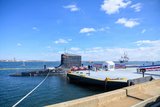
The 2027 budget demands 34 new vessels, but ageing yards and backlogs raise questions about whether American shipbuilding can deliver.
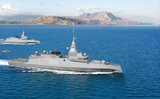
The Marine nationale’s consistent deployments, healthy shipbuilding drumbeat and growing export portfolio are forcing a reassessment of where European naval capability now resides.
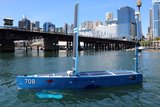
As advances in uncrewed technology increasingly shape Australia’s maritime future, Shephard spoke with the country’s head of navy capability and a Leidos Australia executive about the operational advantages behind the shift.
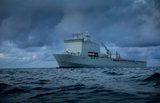
The conversion of RFA Lyme Bay comes during signs that European navies may once again need to cooperate on Gulf mine clearance operations.

Connect with us on socials


