Germany and UK build stronger naval ties in North Atlantic
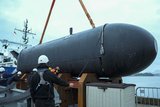
The Stingray torpedo, covered by the new Anglo-German agreement. (Photo: Royal Navy/MoD)
The Trinity House agreement included joint training and a focus on anti-submarine warfare.


The UK and Germany have agreed to stronger naval ties in the North Atlantic and North Sea, particularly in undersea activity.
The agreement formed part of the wider Trinity House bilateral defence agreement, but is expected to have significant impact on undersea protection in the northern zone.
The aim of the closer collaboration, as laid out in the agreement, was to establish a clearer picture of underwater activity, significantly contributing to the protection of Critical Undersea Infrastructure and Sea Lines of Communications.
To achieve the desired clarity, the two nations agreed to the co-ordination of combined and joint operations in
Our news & analysis is now part of Defence Insight®
A Basic-level or higher Defence Insight subscription is now required to view this content.


More from Naval Warfare
-
![AUKUS heavyweight torpedo test raises questions over future armed UUV requirements]()
AUKUS heavyweight torpedo test raises questions over future armed UUV requirements
A heavyweight torpedo firing from the Royal Navy’s uncrewed submarine XV Excalibur suggests a shift beyond surveillance, with allied navies eyeing strike roles for large autonomous undersea vessels.
-
![Five years on: where could opportunities emerge next for AUKUS Pillar II?]()
Five years on: where could opportunities emerge next for AUKUS Pillar II?
Payload commonality, combat systems and electronic warfare are emerging as likely priorities as the trilateral partnership balances building submarines with sharing industrial ecosystems.
-
![Singapore expands maritime presence with future-ready Sentinel OPV]()
Singapore expands maritime presence with future-ready Sentinel OPV
Singapore is building space for uncrewed systems and future technologies into its new Sentinel-class OPVs, reflecting a wider move towards adaptable vessels capable of maintaining persistent maritime presence.