


Naval primes dive into an underwater acquisition gold rush
A cluster of acquisitions by Fincantieri, Thales, Lockheed Martin and Rheinmetall points to a race to secure underwater warfare, autonomy and sensing capability.


A new AI tool designed to enhance SAR missions for the RAN and RAAF has begun the second phase of development.
AI-Search is a prototype which uses sensor and processor systems and is highly portable. These sensors are trained to detect orange clothing rather than black clothing, producing a detection rate of 70% compared to the 50% rate achieved by the naked human eye.
The size of the sensors and systems will allow them to be fitted to a range of platforms including rotary-wing aircraft, naval vessels and UASs.
In the second stage of development, these systems will be tested in a variety of environmental conditions. Activities may include testing on a range of aircraft, according to Wg Cdr Michael Gan of the RAAF’s Plan Jericho research team.

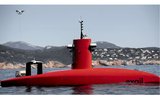
A cluster of acquisitions by Fincantieri, Thales, Lockheed Martin and Rheinmetall points to a race to secure underwater warfare, autonomy and sensing capability.

Baltic states are investing in mine warfare, uncrewed systems and multirole platforms as major warship purchases remain scarce, industry sources indicate.

Parallel procurement pathways for crewed mine countermeasure vessels and uncrewed systems underline a shift towards next-generation mine warfare for the Indian Navy.

Finland’s naval industrial base is expanding as NATO membership, Baltic Sea security concerns and proximity to Russia push shipbuilders and equipment makers to capture new roles.
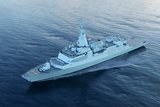
Canada's ambitious naval modernisation plans are creating major maritime procurement opportunities, with future programmes also promising long-term work for domestic and international shipbuilders.

ThyssenKrupp Marine Systems is edging toward an India submarine deal, but an unverified claim of a radically new hull design – at odds with the proven lineage it has marketed to Canada – has yet to be resolved.

Connect with us on socials


