


BAE Systems looks beyond the M113 replacement as it tests 30mm AMPV
The development demonstrates how the platform could provide additional firepower and growth potential while the US Army progresses its long-term replacement for the Bradley.


The US Army is looking for power solutions for Soldier and small-unit level. (Photo: US Army)
The US Army is pushing on with efforts to equip frontline troops with cutting-edge technology, and it is awaiting industry entries in a competition to develop the next generation of compact on-the-move expeditionary power under the Soldier Power Cohort programme.
The effort is led by the Army Applications Laboratory (AAL), which intends to access off-grid, low-power solutions that can extend operational uptime and supply power and sustainable energy capabilities for individual soldiers and small units — but without additional weight.
Time is running out, however, as the deadline for industry responses to participate in the eight-week programme is 16 November — and there appears
Our news & analysis is now part of Defence Insight®
A Basic-level or higher Defence Insight subscription is now required to view this content.

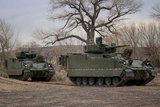
The development demonstrates how the platform could provide additional firepower and growth potential while the US Army progresses its long-term replacement for the Bradley.
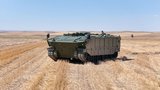
FNSS and PT Pindad are progressing the Indonesian tracked armoured personnel carrier programme as local production gets under way.
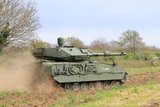
Firing trials of the Tulpar and Leonardo Hitfact Mk II combination follow an integration programme covering mechanical, electrical, electronic and software interfaces.
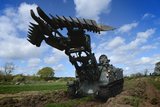
The news from Ukraine has again shown that antitank minefields and other obstacles on the battlefield, such as deep trenches, can play a key role in both offensive and defensive operations. Given this, there will always be a need to clear them, both during and after a conflict.
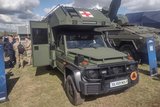
The UK Ministry of Defence has avoided being prescriptive in its search to replace the British Army’s Land Rover, meaning vehicle types being offered range from Land Rover Defender Wolf II and Humvee to the hybrid series Fering Pioneer. What does this mean for the procurement process?

The introduction of Ajax vehicles into British Army service was stopped after operator health issues were reported during an exercise, but manufacturer General Dynamics Land Systems UK believes work over the past 10 months has dealt with the problems.

Connect with us on socials


