


FNSS advances Indonesian Kaplan APC programme as local production expands
FNSS and PT Pindad are progressing the Indonesian tracked armoured personnel carrier programme as local production gets under way.


The Australian Government will extend the trial of a new ‘Multicam’ combat uniform following positive feedback from Special Forces soldiers wearing them in Afghanistan.
Minister for Defence Materiel Jason Clare announced the extension today during his address to the biannual Land Warfare Conference in Brisbane.
The Multicam combat uniform is a different camouflage pattern to the current Australian combat uniform and is also worn by US troops in Afghanistan.
Over the past year it has been trialled by Australian Special Forces troops in Afghanistan.
Based on their feedback, the trial will now be extended for a further 12 months to all Australian troops operating ‘outside the wire’ in Afghanistan.
Mr Clare said the feedback from Special Forces troops has been extremely positive.
“Special Forces soldiers have said this is the uniform they want to wear,” Mr Clare said.
“The camouflage pattern provides troops with greater levels of concealment across the range of terrains in Afghanistan - urban, desert and green.
“It also makes it easier for our troops to do their job.”
The Multicam shirt and trousers:
· have elbow and knee pads built in to reduce soft tissue injuries;
· are cooler and designed to be worn under body armour;
· have a padded waist band to make it more comfortable under webbing or a field pack; and
· have more pockets and a stretch fabric at the joints.
Mr Clare said Defence has made an urgent order from the United States to get these uniforms to troops in Afghanistan as quickly as possible.
“I have also instructed the Defence Materiel Organisation to pursue the purchase of a licence to provide for the potential manufacture of this uniform in Australia if the extended trial is successful,” Mr Clare said.
Source: Australian Defence Media Centre

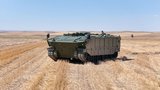
FNSS and PT Pindad are progressing the Indonesian tracked armoured personnel carrier programme as local production gets under way.
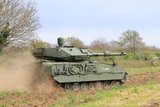
Firing trials of the Tulpar and Leonardo Hitfact Mk II combination follow an integration programme covering mechanical, electrical, electronic and software interfaces.
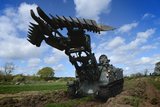
The news from Ukraine has again shown that antitank minefields and other obstacles on the battlefield, such as deep trenches, can play a key role in both offensive and defensive operations. Given this, there will always be a need to clear them, both during and after a conflict.
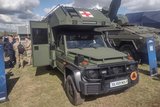
The UK Ministry of Defence has avoided being prescriptive in its search to replace the British Army’s Land Rover, meaning vehicle types being offered range from Land Rover Defender Wolf II and Humvee to the hybrid series Fering Pioneer. What does this mean for the procurement process?

The introduction of Ajax vehicles into British Army service was stopped after operator health issues were reported during an exercise, but manufacturer General Dynamics Land Systems UK believes work over the past 10 months has dealt with the problems.

Sweden, Croatia and France are pursuing different rocket artillery solutions as European armies seek greater reach, survivability and industrial resilience.

Connect with us on socials


