


Canada accelerates uncrewed aerial system procurement for NATO and Arctic forces
Canada plans to acquire at least 120 uncrewed aerial systems through two competitions with combined funding ceilings of C$32 million.


The M249 is the mainstay light machine gun in the JGSDF. (Koji Miyake)
The Japan Ground Self-Defense Force (JGSDF) is seeking a successor to its current M249 5.56mm light machine gun, but chief contender Sumitomo Heavy Industries (SHI) has decided to withdraw from the competition.
The Acquisition, Technology & Logistics Agency (ATLA) signed a contract with Sumitomo subsidiary Sumisho Aero-Systems to introduce four FN Minimi Mk3 weapons in February 2020. ATLA had also signed a contract with JALUX in February to introduce four Heckler & Koch MG4s, with SHI contracted to produce five machine gun prototypes in March.
Since neither Sumisho Aero-Systems nor JALUX are manufacturers, they cannot produce these machine guns
Our news & analysis is now part of Defence Insight®
A Basic-level or higher Defence Insight subscription is now required to view this content.


Canada plans to acquire at least 120 uncrewed aerial systems through two competitions with combined funding ceilings of C$32 million.
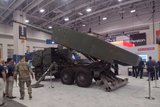
New counter-drone technologies, autonomous launchers and manufacturing modernisation initiatives highlighted emerging opportunities for defence suppliers, while the UK advanced a major military vehicle procurement programme.

Non-US companies are increasingly looking to establish subsidiary and partnerships to access the potential billions of dollars of vehicle and land systems contracts and there has already been some success.

Pearson Engineering has provided equipment and engineering expertise to the Armed Forces of Ukraine since the beginning of the full-scale Russian invasion in 2022. The British company is now working to deepen engagement with the Ukrainian defence industry, expanding its support for the country’s population and laying the foundations for future technological innovation.
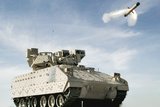
Rather than developing entirely new weapons, defence companies are looking to build on existing weapons and systems to deliver greater capability, control costs and accelerate fielding.
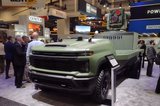
With a production rate of more than 10 million vehicles annually, the US commercial car and vehicle manufacturing base is second only to China. Defence companies are looking at how the vehicles, technology and manufacturing capability can support programmes.

Connect with us on socials


