


Why Middle Eastern markets demand bespoke AFV solutions
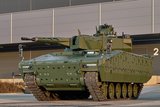
In this expert analysis, Christopher Foss looks at how armoured vehicle suppliers to the Middle East are increasingly tailoring platforms for the region’s specific operational requirements.


Malaysia already operates the Russian-manufactured Metis-M, but these ATGMs need to be replaced. (Photo: Vitaly V. Kuzmin, Wikimedia)
Malaysia’s MoD issued two tenders on 21 March for domestic companies to supply 18 medium-range antitank guided missiles (ATGM) for the Malaysian Army and 119 general-service vehicles for the Royal Malaysian Air Force (RMAF).
The ATGM tender appears geared towards procuring a system used by NATO forces, as tender specifications include requirements for NATO stock numbers.
The army had previously requested additional Metis-M systems to replace 24 launchers purchased in 2001, but the Finance Ministry rejected this following Russia’s invasion of Ukraine. The army was told it would have funding approved if the ATGM was not Russian in origin.
The
Already have an account? Log in
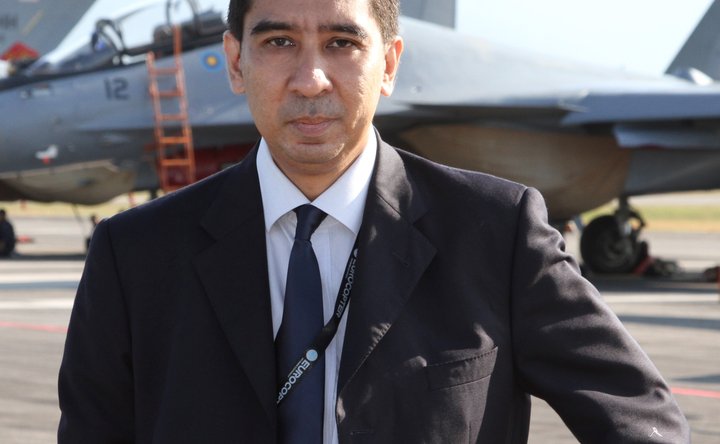

In this expert analysis, Christopher Foss looks at how armoured vehicle suppliers to the Middle East are increasingly tailoring platforms for the region’s specific operational requirements.
More than a year after selecting the KNDS Artillery Gun Module mounted on the Piranha IV 8x8 as its next artillery system, Switzerland is still awaiting the contract that will deliver the guns.
Milrem’s THeMIS uncrewed ground vehicle is one of the most battle-proven medium UGV platforms in service, with the company looking to have production versions of new large platforms ready before the end of the decade.
CENTCOM confirmed that PrSMs have been deployed in the offensive against Iran, bringing what it called “an unrivalled deep strike capability”.
Defence buyers globally are increasingly looking to tie domestic manufacturing and technology transfer into deals.
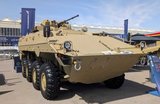
This month we saw a major presence from Turkish, Russian and Chinese companies at the World Defense Show with new vehicles from major suppliers, while elsewhere there were evolving mortar programmes and artillery modernisation efforts.

Connect with us on socials


