Increased scope of CROWS II framework agreement
KONGSBERG has signed a contract with the US Army increasing the number of Common Remotely Operated Weapon Stations (CROWS) in the existing CROWS II framework agreement from 10.349 to 11.690 systems.
The total value of the increase will be agreed upon later this year. Total value of the increase will depend on the US Army’s future demand and annual allocations. KONGSBERG has received a purchase order for CROWS II systems valued at 345 MNOK as part of the increased scope of the framework agreement.
CROWS is a joint acquisition program for weapon stations for the US Army`s vehicle programs. A common solution will result in substantial efficiency gains in respect of protection, training, support and further development.
The initial CROWS II framework agreement was disclosed on 22 August 2007.
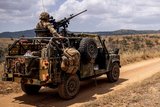
The Protector Weapon Control System protects military troops by allowing the vehicle’s weapons to be operated from a protected position inside the vehicle.
Source: Kongsberg





More from Land Warfare
-
![British Army Land Rover replacement plan inches forward]()
British Army Land Rover replacement plan inches forward
The UK Ministry of Defence has proposed a selection date of May 2027 for the Land Rover replacement requirement, with deliveries expected through to 2036. Next month’s DVD exhibition will be a key shop window for bidders.
-
![Snow patrol and access all areas: the Arctic all-terrain vehicles market grows]()
Snow patrol and access all areas: the Arctic all-terrain vehicles market grows
The procurement and planned procurement of articulated tracked all-terrain vehicles is being driven by a need to replace older platforms and an acknowledgement of a capability gap for Arctic regions.
-
![Push strengthens for a second JLTV supplier]()
Push strengthens for a second JLTV supplier
A move, launched in May, could lead to a second supplier for the US Marines Corps’ Joint Light Tactical Vehicle requirement. Meanwhile, Wisconsin elected representatives have been pushing for necessary funding to be included in the FY27 budget.
-
![Canada reveals first requirements for future long-range air-to-air missile]()
Canada reveals first requirements for future long-range air-to-air missile
Exclusive: Ottawa says its future NORAD interceptor must be highly stealthy, resistant to jamming and capable of engaging threats at very long range, while leaving the competition open to domestic and international suppliers.