


Canada accelerates uncrewed aerial system procurement for NATO and Arctic forces
Canada plans to acquire at least 120 uncrewed aerial systems through two competitions with combined funding ceilings of C$32 million.


FN Elity features multiple pointing capabilities and environmental sensors. (Photo: FN Herstal)
Belgium-based FN Herstal will showcase its FN Elity weapon-mounted ballistic calculator at the Enforce Tac trade show in Nuremberg, Germany, on 1-2 March.
Primarily designed for squad or sniper team weapons of any calibre and spotting scopes, FN Elity is designed to maximise first-hit probability at long range, by day and at night.
It integrates a latest-generation laser rangefinder that can measure a human-size target at distances of up to 1,750m; and the ApexO AFS ballistic solver, which provides ballistic corrections as well as wind speed and direction.
Alongside its aim-adjustment capability, this ballistic calculator also provides multiple pointing capability thanks to the integrated IR and visible laser pointers and IR illuminator. It also features environmental sensors (humidity, temperature, pressure, cant and elevation among others).
This ITAR-free technology was unveiled in 2021 and results from a collaboration between FN Herstal and the Canadian firm ApexO, which specialises in ballistic engineering and computer-oriented solutions.


Canada plans to acquire at least 120 uncrewed aerial systems through two competitions with combined funding ceilings of C$32 million.
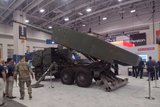
New counter-drone technologies, autonomous launchers and manufacturing modernisation initiatives highlighted emerging opportunities for defence suppliers, while the UK advanced a major military vehicle procurement programme.

Non-US companies are increasingly looking to establish subsidiary and partnerships to access the potential billions of dollars of vehicle and land systems contracts and there has already been some success.

Pearson Engineering has provided equipment and engineering expertise to the Armed Forces of Ukraine since the beginning of the full-scale Russian invasion in 2022. The British company is now working to deepen engagement with the Ukrainian defence industry, expanding its support for the country’s population and laying the foundations for future technological innovation.
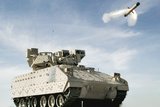
Rather than developing entirely new weapons, defence companies are looking to build on existing weapons and systems to deliver greater capability, control costs and accelerate fielding.

With a production rate of more than 10 million vehicles annually, the US commercial car and vehicle manufacturing base is second only to China. Defence companies are looking at how the vehicles, technology and manufacturing capability can support programmes.

Connect with us on socials


