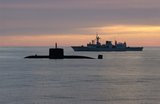
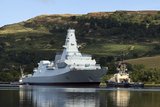
Patria to upgrade Finnish FACs


The Finnish Defence Forces’ Logistics Command is set to sign a contract with Patria Aviation for the upgrade of the Hamina-class fast attack missile craft (FAC), the Finnish Ministry of Defence announced on 19 December.
As a part of the upgrade, a torpedo weapon system will be procured from Saab Dynamics. The total value of the upgrade is $263.4 million.
The upgrade will ensure sufficient naval defence readiness in the 2020s after the decommissioning of the Rauma class FAC and before the introduction of Squadron 2020 corvettes into service. It will extend the service life of the fleet until 2035, extend the independent operating time of vessels and improve anti-submarine warfare and self-protection capabilities.
The lightweight torpedo weapon system procurement is being coordinated with a procurement by the Swedish
FMV, which is expected to receive its weapons between 2023-2025.
The vessels will also be equipped with a new Surface Warfare Missile 2020 system, which will be selected in 2018.Related Equipment in Defence Insight



More from Naval Warfare
-
![Hanwha Ocean and TKMS are firming up their Canadian next-gen submarine proposals]()
Hanwha Ocean and TKMS are firming up their Canadian next-gen submarine proposals
CPSP competitors are proposing platforms fitted with advanced, next-generation capabilities to be built and sustained in cooperation with the Canadian industry.
-
![UK’s $1 billion AUKUS support request signals strong ongoing US collaboration]()
UK’s $1 billion AUKUS support request signals strong ongoing US collaboration
The latest foreign military sales request from the UK has implications for the future of the programme and collaboration between the three nations.
-
![What the rise of interoperability between Western allies means for defence procurement]()
What the rise of interoperability between Western allies means for defence procurement
Major naval initiatives including the European Patrol Corvette programmes and Norway’s UK partnership-focused purchase of Type 26 frigates point to the growing interest in the advantages of commonality across allied navies.