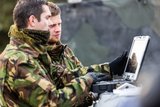
US defence chief Mattis has ‘no reservations’ about Bolton


US Defense Secretary Jim Mattis said 27 March he had ‘no reservations’ about working with John Bolton, the controversial hawk named by President Donald Trump to be his new national security advisor.
‘Last time I checked he’s an American. I can work with an American,’ Mattis told reporters.
The retired Marine general said he had never met Bolton before, but expected to get together with him soon at the Pentagon.
A former US ambassador to the United Nations and Fox News contributor, Bolton is known for his vehement opposition to the Iran nuclear deal and defence of a US first strike against North Korea.
Mattis has stressed diplomacy in dealing with both countries and has argued against scrapping the 2015 nuclear deal with Iran.
Asked whether he could work with Bolton, Mattis said he had ‘no reservations, no concerns at all’.
Mattis added: ‘I hope that there’s some different world views, that’s the normal thing you want unless you want group think.’



More from Defence Notes
-
![UK urged to prioritise sea, air and space over heavy armour]()
UK urged to prioritise sea, air and space over heavy armour
A report from the Council on Geostrategy argues the UK should move away from a traditional balanced force and shift investment to naval, air and space capabilities, backed by a larger fleet of attack submarines and deeper AUKUS integration.
-
![Thales: deployment speed to determine winners in ‘production versus production’ era]()
Thales: deployment speed to determine winners in ‘production versus production’ era
At its technology summit in London, attended by Shephard, Thales UK examined the importance of speed to delivery, the growing focus on cross-domain capabilities and how procurement reform could be crucial for future battlefield advantage.
-
![Orchestrating operational readiness across every defence domain]()
Orchestrating operational readiness across every defence domain
Are all systems ready for the next mission? Have upgrades been applied? Are all assets aligned to deploy together, on time and fully prepared? In modern defence operations, readiness is no longer measured platform by platform. It is measured by how well people, assets, data and decisions move together — across land, sea and air.