


“Capital follows confidence” as defence courts private money
Outside investment and the direction in which venture money flows may reveal what defence will buy years before formal programmes begin.


On 4 October the UK armed forces commenced a five-week, two-part Exercise Trident Juncture conducted by NATO - the largest NATO exercise in more than a decade.
In all, 30 nations are participating in the exercise, including all the three branches of the armed forces of the UK, to test the NATO Response Force (NRF) and other allied forces.
The UK and other participating NATO allies have committed 140 aircraft, 230 military units and over 60 ships to the exercise, drawing in a total of around 36,000 international troops. Around 2,800 personnel from the UK, along with Typhoon fighter jets, helicopters and naval vessels, will participate.
Trident Juncture puts the NRF into crisis situations to test NATO’s flexibility, readiness, and ability to respond to threats from any direction. The exercise will also test functions of the Very High Readiness Joint Task Force – or Spearhead Force – ahead of it becoming fully operational in 2016.
Vice Admiral Ian Corder, the UK’s military representative to NATO and the EU, said: ‘Trident Juncture is the biggest and most ambitious NATO exercise in more than a decade, focussed on exercising crisis response, collective defence, and helping to shape the future adaptation and posture of the Alliance.
‘It will demonstrate the Alliance’s capability, readiness, and ability to address whatever threats it may face, now and in the future. I am delighted the UK personnel will be playing such a major part in this key undertaking alongside our allies and partners. It will be a clear demonstration of the UK’s unwavering commitment to NATO solidarity and security.’

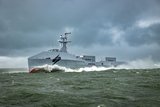
Outside investment and the direction in which venture money flows may reveal what defence will buy years before formal programmes begin.

The Department of National Defence expects initial contracts to deliver thousands of uncrewed systems, but has yet to establish the quantities, capability mix or deadline behind Ottawa’s promised tenfold expansion.
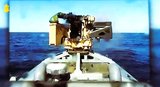
The company told Shephard that Ukraine is operating modified Protector weapon stations originally supplied for armoured vehicles, with human operators authorising engagements from hundreds of kilometres away.

A report from the Council on Geostrategy argues the UK should move away from a traditional balanced force and shift investment to naval, air and space capabilities, backed by a larger fleet of attack submarines and deeper AUKUS integration.

At its technology summit in London, attended by Shephard, Thales UK examined the importance of speed to delivery, the growing focus on cross-domain capabilities and how procurement reform could be crucial for future battlefield advantage.
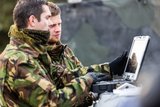
Are all systems ready for the next mission? Have upgrades been applied? Are all assets aligned to deploy together, on time and fully prepared? In modern defence operations, readiness is no longer measured platform by platform. It is measured by how well people, assets, data and decisions move together — across land, sea and air.

Connect with us on socials


