Russian self-reliance in microelectronics remains a distant dream
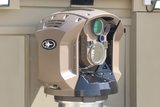
Rostec communications equipment, pictured at Army 2020 in Moscow. (Photo: Rostec)
A dependence on foreign-made microelectronics remains a critical vulnerability for the Russian defence sector.


On 20 April, Rostec CEO Sergey Chemezov announced that his companies are accelerating the development of domestic microelectronics ‘as foreign deliveries can be stopped at any time’.
He added: ‘The trend of recent years shows that import of the electronic components, products and software can be terminated at any time. That is why we are speeding up the development of our own hardware components, technologies and products.’
Concerns over security of supply are not new. The authorities in Moscow recognised this vulnerability in high-technology defence programmes several years ago, and they have been working to improve the situation since then.
Already have an account? Log in
Want to keep reading this article?

More from Defence Notes
-
![UK faces cost of balancing defensive capabilities abroad as Iran conflict widens]()
UK faces cost of balancing defensive capabilities abroad as Iran conflict widens
The UK has recently deployed a Type 45 destroyer to Cyprus and has bolstered its presence in the Middle East in recent weeks with supporting air power to protect neighbouring countries’ air defences.
-
![India’s strategic defence footprint expansion could be accelerated by Iran-Israel conflict]()
India’s strategic defence footprint expansion could be accelerated by Iran-Israel conflict
The latest escalation between Iran and Israel could shape New Delhi’s next-generation shield as India deepens cooperation with Israel on missile defence and drone production.
-
![Is the US magazine of air defence interceptors deep enough to sustain a long campaign against Iran?]()
Is the US magazine of air defence interceptors deep enough to sustain a long campaign against Iran?
The Pentagon spent a considerable number of THAAD and SM-3 rounds to defend against Iranian missiles in 2025 and has not fully replenished its reserves.
-
![New Zealand buys tri-service uncrewed kit from Syos Aerospace]()
New Zealand buys tri-service uncrewed kit from Syos Aerospace
As uncrewed technology continues to play an increasingly central role in modern military activities, New Zealand’s recent acquisitions point towards its the force’s focus on cost-effective capability.