


From systems integrator to multi-domain solutions provider (video)
Philipp von Brandenstein, Head of Corporate Communications at Rheinmetall, explains how Eurosatory 2026 marked a new stage in the company's evolution.


Remote air traffic control is already in place for civil aviation, but the UK military will implement its first facility in 2022. (Photo: Saab/Stefan Kalm)
Preparations are continuing for the first digital remote air traffic control tower for the UK armed forces to go live in April 2022.
Air Navigation Solutions (ANSL) is supporting Osprey Consulting Services Ltd in operational acceptance and safety assurance services for the remote tower at Royal Naval Air Station (RNAS) Culdrose and at the nearby Predannack Airfield (used as a backup landing ground by the RN).
ANSL stated on 6 July that its ‘expertise in and experience of developing and implementing RTC [remote tower centre] solutions’ will aid the acceptance and safety assurance component of the project.
It added: ‘These activities form part of the ultimate ambition of a fully endorsed, certified and operationally capable system at RNAS Predannack by April 2022.’


Philipp von Brandenstein, Head of Corporate Communications at Rheinmetall, explains how Eurosatory 2026 marked a new stage in the company's evolution.

The US Department of Defense has requested new contracting authorities from Congress, using the Army's MV-75 Cheyenne programme to demonstrate how competition, digital engineering and closer industry collaboration could accelerate acquisitions.

The US government plans to accelerate production even further after achieving key B61-13 milestones months ahead of schedule, as the programme advances amid growing US-China strategic competition.
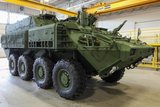
General Dynamics Land Systems-Canada is the country’s first strategic partner under the Defence Industrial Strategy’s Strategic Partnership Framework, an effort to provide companies with confidence to invest and boost the defence labour force.

The UK’s Minister for the Armed Forces Louise Sandher-Jones made her first appearance in the role before the House of Commons Defence Committee this week to highlight efforts to improve capability in the High North.

Ottawa explores expanding defence-industrial cooperation with Washington into sensitive programmes, an approach that could reshape NORAD modernisation, strengthen North American supply chains and create new opportunities for defence contractors.

Connect with us on socials


