


“Capital follows confidence” as defence courts private money
Outside investment and the direction in which venture money flows may reveal what defence will buy years before formal programmes begin.


Pinnacle Airlines Corporation (PNCL) has reported fourth quarter 2009 net income of $5.6 million and a net income of $41.9 million for the last calendar year.
This fourth quarter figure represents an increase of 153% over net income recorded in the fourth quarter of 2008 of $2.2 million, excluding special charges. PNCL reported consolidated operating income of $17.8 million in the fourth quarter of 2009, an increase of 9% over consolidated operating income of $16.3 million in the fourth quarter of 2008.
For the year ended 31 December 2009, PNCL reported net income of $41.9 million and earnings per share of $2.31. The company’s financial results during 2009 include a number of previously announced special items that increased net income by $18.7 million. Excluding these special items, PNCL achieved net income of $23.2 million for the full year 2009, an increase of 68% over net income of $13.8 million in 2008, excluding special charges.
“2009 was a significant year for Pinnacle Airlines Corporation,” said Phil Trenary, the company’s president and chief executive officer. “We began the year with many challenges, both operationally and financially, but our people delivered solid results for our customers and shareholders. With the full repayment of our convertible notes, we are better positioned to take advantage of opportunities in the regional airline industry in 2010 and beyond.”
Pinnacle Airlines Inc reported fourth quarter 2009 operating income and an operating margin of $13.5 million and 8.8%, respectively, a decrease of $0.4 million and 0.2 points, respectively, from the fourth quarter of 2008. Pinnacle’s operating income in the fourth quarter of 2009 was reduced by approximately $1.7 million due to an ongoing contractual disagreement with Delta Air Lines, PNCL’s largest operating partner. Delta has disputed the contractual requirement to reimburse Pinnacle in full for its aviation hull and passenger liability insurance premiums. Under generally accepted accounting principles, Pinnacle will not record the unreimbursed insurance amounts as revenue until the parties resolve the issue.
Colgan Air reported operating income and an operating margin of $4.3 million and 7.6%, an increase of $1.8 million and 3.6 points, respectively, from the fourth quarter of 2008. Colgan’s decreased fuel costs in its pro-rate operations were a primary factor leading to the increase in operating income. The decline in fuel costs was partially offset by a decrease in Colgan’s revenue-per-available-seat-mile within its pro-rate operations of approximately 9%, and increases in Colgan’s rising employee health insurance costs and wage and rate adjustments during 2009.

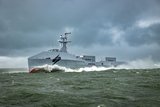
Outside investment and the direction in which venture money flows may reveal what defence will buy years before formal programmes begin.

The Department of National Defence expects initial contracts to deliver thousands of uncrewed systems, but has yet to establish the quantities, capability mix or deadline behind Ottawa’s promised tenfold expansion.
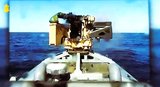
The company told Shephard that Ukraine is operating modified Protector weapon stations originally supplied for armoured vehicles, with human operators authorising engagements from hundreds of kilometres away.

A report from the Council on Geostrategy argues the UK should move away from a traditional balanced force and shift investment to naval, air and space capabilities, backed by a larger fleet of attack submarines and deeper AUKUS integration.

At its technology summit in London, attended by Shephard, Thales UK examined the importance of speed to delivery, the growing focus on cross-domain capabilities and how procurement reform could be crucial for future battlefield advantage.

Are all systems ready for the next mission? Have upgrades been applied? Are all assets aligned to deploy together, on time and fully prepared? In modern defence operations, readiness is no longer measured platform by platform. It is measured by how well people, assets, data and decisions move together — across land, sea and air.

Connect with us on socials


