


Patria OPTIME and ILIAS: Orchestrating operational readiness across every domain
Patria OPTIME is a sustainment concept that integrates MRO and lifecycle services into one solution, powered by the ILIAS digital defence platform


ExpressJet Holdings, parent company of regional and charter airline operator ExpressJet Airlines, has reported traffic and capacity results for December 2009 and announced its expected fleet allocation for 2010.
In scheduled flying during December, ExpressJet revenue passenger miles (RPMs) totalled 692 million and available seat miles (ASMs) flown were 873 million. ExpressJet’s December load factor, operating as Continental Express, was 79.3%. The company flew 57,465 block hours and operated 29,975 departures during the month as Continental Express. During the month, ExpressJet transitioned four aircraft from its Continental Express flying to begin preparing for the multi-year agreement that begins with United Airlines in May 2010.
As previously announced, ExpressJet will operate 22 ERJ 145s under the United Express brand beginning in May 2010. Prior to 1 May 2010, ExpressJet will operate up to 22 aircraft under a short-term arrangement for United to assist with the transition of flying from their previous partner. The arrangement began with three aircraft on 1 December 2009, and is scheduled to increase to 22 aircraft by March 2010. With the addition of this flying, ExpressJet expects its 2010 fleet to equal 244 aircraft allocated, with 206 aircraft flying as Continental Express; 22 aircraft flying as United Express – increasing to 32 aircraft from May to October 2010 – and 16 aircraft operating within the charter division, decreasing to six aircraft from May to October 2010.
The eight aircraft being transitioned from Continental Express are being subleased by ExpressJet.

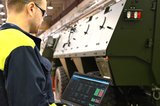
Patria OPTIME is a sustainment concept that integrates MRO and lifecycle services into one solution, powered by the ILIAS digital defence platform
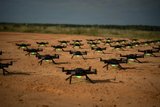
US Air Force, Army, Marine Corps and Special Operations Command initiatives signal demand for interoperable uncrewed systems control, creating opportunities for suppliers of hardware, software and integration services.

In Conversation… The geopolitical landscape is increasingly uncertain, with the UK and its allies confronting the most unpredictable international environment for decades. To adapt, defence readiness must begin long before assets reach the front line, forging a resilient support enterprise that can thrive in a time of ongoing disruption, argue the partners of Team ORION.

In conversation… Everfox’s Chairman and Chief Executive Officer Dave Wajsgras and Managing Director, International, Colin McKinty discuss the critical importance of information security in defence, minimising insider risk and the company’s international growth strategy with Shephard’s Andrew White.

In Conversation… Shephard’s Andrew White talks to Zafer Şen, CEO and co-founder of OBSS, about the future of command-and-control software in the age of artificial intelligence, and his company’s ambitions in the UK defence market.
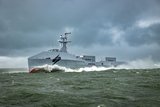
Outside investment and the direction in which venture money flows may reveal what defence will buy years before formal programmes begin.

Connect with us on socials


