


From systems integrator to multi-domain solutions provider (video)
Philipp von Brandenstein, Head of Corporate Communications at Rheinmetall, explains how Eurosatory 2026 marked a new stage in the company's evolution.


The ATR 42-600 pre-series aircraft has had a successful first flight from Toulouse.
The aircraft, powered with Pratt & Whitney PW127M engines, completed a two-hour flight, thus starting a flight test campaign of approximately 75 hours. Among other checks, the aircraft underwent tests regarding engine performance and the function of its specifically developed Thales avionics suite, which integrates the newest computer systems and software for navigational aids, flight data recording, automatic piloting and communications. The pilots also tested hydraulic and electrical systems and blades balancing.
“The first flight of the ATR 42-600 is the culmination of the dedication and strong efforts of our team and our partners in order to prepare this new aircraft for its flight test campaign,” emphasised Stéphane Mayer, ATR’s chief executive officer. “With the ATR 42-600, we are proud to develop a new aircraft that has been specifically designed to optimally match the 50-seat regional market requirements, both in terms of comfort and performance.”
The ATR ‘-600’ series was launched in October 2007 since when ATR has gained 59 firm orders (5 ATR 42-600s and 54 ATR 72-600s).


Philipp von Brandenstein, Head of Corporate Communications at Rheinmetall, explains how Eurosatory 2026 marked a new stage in the company's evolution.

The US Department of Defense has requested new contracting authorities from Congress, using the Army's MV-75 Cheyenne programme to demonstrate how competition, digital engineering and closer industry collaboration could accelerate acquisitions.
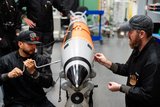
The US government plans to accelerate production even further after achieving key B61-13 milestones months ahead of schedule, as the programme advances amid growing US-China strategic competition.
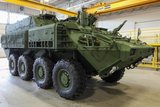
General Dynamics Land Systems-Canada is the country’s first strategic partner under the Defence Industrial Strategy’s Strategic Partnership Framework, an effort to provide companies with confidence to invest and boost the defence labour force.

The UK’s Minister for the Armed Forces Louise Sandher-Jones made her first appearance in the role before the House of Commons Defence Committee this week to highlight efforts to improve capability in the High North.

Ottawa explores expanding defence-industrial cooperation with Washington into sensitive programmes, an approach that could reshape NORAD modernisation, strengthen North American supply chains and create new opportunities for defence contractors.

Connect with us on socials


