


“Capital follows confidence” as defence courts private money
Outside investment and the direction in which venture money flows may reveal what defence will buy years before formal programmes begin.


The fourth Sukhoi Superjet 100 – prototype SN 95005 – has performed its maiden flight at Komsomolsk-on-Amur.
The aircraft was captained by Sukhoi Civil Aircraft’s test pilots Sergey Korostiev and Alexander Ivanov. During a 2 hour and 45 minute flight, the pilots were able to examine systems integrity and performance.
SSJ100 SN 95005 has incorporated all modifications resulting from the certification tests to perfectly match the final standard certificate configuration of the aircraft.
Under the certification campaign, SSJ100 prototype SN 95005 will undergo a complex evaluation of onboard equipment and avionics as well as failure safety tests. Moreover, this aircraft will see fire protection and inert gas system testing.
The aircraft will also host the pilots training to fly the aircraft for the SSJ100’s first customers.
With engine partner PowerJet experiencing problems at its NPO Saturn plant, aircraft 95005 was powered with the engines from the first flight prototype SSJ100 SN 95001 so as to keep a smooth and regular certification flight test pace.
Vladimir Prisyazhnyuk, president of Sukhoi Civil Aircraft, commented, “With another prototype in the certification program, we will be able to deliver 75 flights monthly, which is a very good figure in flight certification campaigns. Provided that engines are certificated and delivered in due time, we will acquire the Type Certificate in the middle of 2010.”

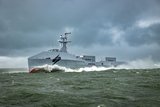
Outside investment and the direction in which venture money flows may reveal what defence will buy years before formal programmes begin.
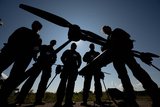
The Department of National Defence expects initial contracts to deliver thousands of uncrewed systems, but has yet to establish the quantities, capability mix or deadline behind Ottawa’s promised tenfold expansion.
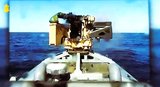
The company told Shephard that Ukraine is operating modified Protector weapon stations originally supplied for armoured vehicles, with human operators authorising engagements from hundreds of kilometres away.

A report from the Council on Geostrategy argues the UK should move away from a traditional balanced force and shift investment to naval, air and space capabilities, backed by a larger fleet of attack submarines and deeper AUKUS integration.

At its technology summit in London, attended by Shephard, Thales UK examined the importance of speed to delivery, the growing focus on cross-domain capabilities and how procurement reform could be crucial for future battlefield advantage.
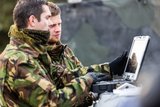
Are all systems ready for the next mission? Have upgrades been applied? Are all assets aligned to deploy together, on time and fully prepared? In modern defence operations, readiness is no longer measured platform by platform. It is measured by how well people, assets, data and decisions move together — across land, sea and air.

Connect with us on socials


