


The 2020s: a decade of UAV spending growth
Total annual drone spending has increased nearly sixfold since the start of the decade, from $2.9 billion in 2020 to $16.3 billion in 2028, with Europe leading the rise.


E-2D ready for launch from the flight deck of USS Nimitz. (Photo: USN/Petty Officer 3rd Class Samuel Bacon)
E-2D Advanced Hawkeye cockpit redesign efforts in the US are progressing with the latest $12.7 million contract modification from Naval Air Systems Command (NAVAIR).
NAVAIR awarded Northrop Grumman the original $34 million cockpit redesign contract in September 2020.
The programme includes a critical redesign of hardware and software components of the current AN/AYK-27 integrated navigation control and display systems, as well as an integration of a glass cockpit solution into the weapon system.
Under the latest contract modification, Northrop Grumman will provide various ‘non-recurring engineering’ services in support of the cockpit redesign, such as requirements development, systems engineering technical reviews, certification planning, performance-based navigation and cyber.
Work is expected to be completed in June 2023, the DoD noted in a 13 October announcement.

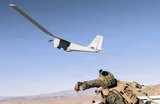
Total annual drone spending has increased nearly sixfold since the start of the decade, from $2.9 billion in 2020 to $16.3 billion in 2028, with Europe leading the rise.
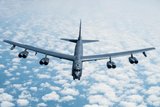
The US Air Force is seeking additional contractors to support communications upgrades for the B-52, while multiple Stratofortress modernisation programmes continue to experience delays, cost growth and technical challenges.

Farnborough International Airshow (FIA) 2026 revealed the growing scale of the UK’s uncrewed ambitions, with companies showcasing new CCA, autonomous wingmen and surveillance drones, while sovereign production emerged as a key factor for multiple programmes.
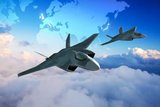
The biannual Farnborough International Airshow 2026 was the backdrop in July for scores of deals, partnerships and announcements, including developments in the multinational next-generation Global Combat Air Programme and the UK’s $486 million trainer aircraft requirement.
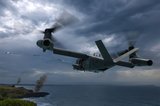
Bell Flight’s modular open-systems approach for the US Army’s MV-75 Cheyenne could open doors for international allies and suppliers once locked out by closed rotorcraft architectures.

BAE Systems’ all-digital EW delivers 360-degree threat awareness in contested environments, boosts survivability, and cuts lifecycle costs.

Connect with us on socials


