Saudi Arabia “considering its options” with potential 100 Kaan jet acquisition
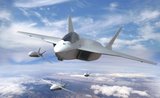
The Kaan fifth-generation fighter has been formally under development since 2010, with TAI eyeing a 2030 entry-into-service date. (Photo: Turkish Aerospace Industries)
Despite local media reports, an analyst has suggested that the country could be using these discussions as a way to gain bargaining power to bolster its bid to join the Global Combat Air Programme.


According to local Turkish media sources, Saudi Arabia is reportedly considering the acquisition of up to 100 of Turkey’s indigenous Kaan fighter jets to bolster the Royal Saudi Air Force (RSAF) fleet.
At the end of December 2024, Prof. Dr. Haluk Görgün, secretary of defence industries for the Turkish Defence Industry Agency, hosted Saudi Arabia Deputy Minister of Defense HE Dr. Khaled Bin Hussein Al Biyari and Chief of Air Forces HRH Turki bin Bandar Al Saud in Istanbul. It was reported that in these talks, the discussion of Saudi Arabia acquiring 100 KAAN jets for 2030 was raised.
Around a similar
Our news & analysis is now part of Defence Insight®
A Basic-level or higher Defence Insight subscription is now required to view this content.



More from Air Warfare
-
![Oshkosh and Grid Aero tie-up tests new model for scaling military UAS production]()
Oshkosh and Grid Aero tie-up tests new model for scaling military UAS production
By combining established manufacturing capacity with startup aircraft design, the partnership could offer an alternative approach to scaling military uncrewed aircraft production.
-
![European funding and NATO interoperability could shape Polish helicopter plans]()
European funding and NATO interoperability could shape Polish helicopter plans
Poland is seeking to update its transport helicopters as part of a wider military aviation modernisation programme, with EU funding requirements and NATO interoperability key considerations.
-
![Poland air focus: $8.27 billion UAV market highlights value of long-term supplier relationships]()
Poland air focus: $8.27 billion UAV market highlights value of long-term supplier relationships
Poland’s growing investment in UAVs highlights how recurring procurement contracts and continuous technological development can provide suppliers with sustained opportunities beyond initial acquisitions.
-
![October crewed air review: Israel’s Apache deal bets on crewed aviation in an uncrewed age]()
October crewed air review: Israel’s Apache deal bets on crewed aviation in an uncrewed age
Israel’s $1 billion Apache helicopter order highlights the continued demand for crewed attack aviation, while growing integration with uncrewed systems could shape future modernisation and procurement decisions.