


The 2020s: a decade of UAV spending growth
Total annual drone spending has increased nearly sixfold since the start of the decade, from $2.9 billion in 2020 to $16.3 billion in 2028, with Europe leading the rise.


The UAE’s fourth GlobalEye (pictured) was delivered in April. (Photo: Saab)
Saab announced on 17 September that it had delivered the fifth and final GlobalEye to the UAE completing a contract for the delivery of five aircraft within 10 years of the order being signed. The first aircraft was only delivered five years ago.
In 2015, Abu Dhabi became the launch export customer of the GlobalEye when it signed a US$1.3 billion development and production contract for two aircraft. This was followed by a $238 million agreement for the third system in 2017, with a $1 billion follow-on deal for two more aircraft in 2021.
In January this year, the Swedish defence firm signed an additional $190 million three-year contract with the UAE to provide in-service support for the Gulf nation’s GlobalEyes.
GlobalEye is a multi-domain AEW&C with an array of active and passive sensors that provide long-range detection and identification of objects in the air, at sea and over land and provides real-time information to defence force units.
Sweden is the only other contracted country and it is expecting deliveries of three aircraft to begin in 2027. Reports emerged in May 2023 that the Poland was considering the purchase of an unspecified number of GlobalEye AEW&C aircraft to reduce Polish dependence on the NATO early warning force based in Geilenkirchen.

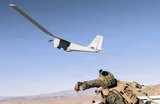
Total annual drone spending has increased nearly sixfold since the start of the decade, from $2.9 billion in 2020 to $16.3 billion in 2028, with Europe leading the rise.
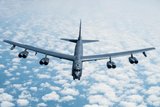
The US Air Force is seeking additional contractors to support communications upgrades for the B-52, while multiple Stratofortress modernisation programmes continue to experience delays, cost growth and technical challenges.

Farnborough International Airshow (FIA) 2026 revealed the growing scale of the UK’s uncrewed ambitions, with companies showcasing new CCA, autonomous wingmen and surveillance drones, while sovereign production emerged as a key factor for multiple programmes.
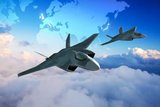
The biannual Farnborough International Airshow 2026 was the backdrop in July for scores of deals, partnerships and announcements, including developments in the multinational next-generation Global Combat Air Programme and the UK’s $486 million trainer aircraft requirement.
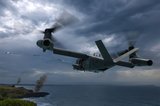
Bell Flight’s modular open-systems approach for the US Army’s MV-75 Cheyenne could open doors for international allies and suppliers once locked out by closed rotorcraft architectures.

BAE Systems’ all-digital EW delivers 360-degree threat awareness in contested environments, boosts survivability, and cuts lifecycle costs.

Connect with us on socials


