Middle Eastern demand opens fresh export prospects for Lockheed Martin’s F-35 fighter jet
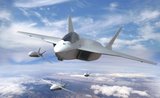
The F-35A fighter jet has gained customers in Europe, with the Middle East representing a potential new market. (Photo: Lockheed Martin)
A proposed Saudi Arabian purchase of 48 stealth fighters could signal a broader regional opportunity for the F-35 as European programmes mature.


Middle Eastern countries could be the next growth market for the F-35A Lightning II after the US moved a step closer in September 2026 to clear the way for Saudi Arabia to procure the fifth-generation stealth fighter aircraft.
On 17 September 2026, the US State Department announced it had approved a possible Foreign Military Sale to Saudi Arabia of 48 F-35 aircraft and related equipment at an estimated cost of US$24.3 billion.
If a procurement is successful, Saudi Arabia would be the first Middle Eastern country other than Israel to procure the F-35.
According to the notice, the sale
Our news & analysis is now part of Defence Insight®
A Basic-level or higher Defence Insight subscription is now required to view this content.



More from Air Warfare
-
![Oshkosh and Grid Aero tie-up tests new model for scaling military UAS production]()
Oshkosh and Grid Aero tie-up tests new model for scaling military UAS production
By combining established manufacturing capacity with startup aircraft design, the partnership could offer an alternative approach to scaling military uncrewed aircraft production.
-
![European funding and NATO interoperability could shape Polish helicopter plans]()
European funding and NATO interoperability could shape Polish helicopter plans
Poland is seeking to update its transport helicopters as part of a wider military aviation modernisation programme, with EU funding requirements and NATO interoperability key considerations.
-
![Poland air focus: $8.27 billion UAV market highlights value of long-term supplier relationships]()
Poland air focus: $8.27 billion UAV market highlights value of long-term supplier relationships
Poland’s growing investment in UAVs highlights how recurring procurement contracts and continuous technological development can provide suppliers with sustained opportunities beyond initial acquisitions.
-
![October crewed air review: Israel’s Apache deal bets on crewed aviation in an uncrewed age]()
October crewed air review: Israel’s Apache deal bets on crewed aviation in an uncrewed age
Israel’s $1 billion Apache helicopter order highlights the continued demand for crewed attack aviation, while growing integration with uncrewed systems could shape future modernisation and procurement decisions.