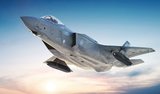
Indonesia strengthens Turkish defence ties with Kizilelma drone order
Indonesia has signed for 12 Kizilelma drones with options for 48 more, rounding the total up to five squadrons of drones. (Photo: Baykar)
Indonesia’s purchase of 12 drones with options for an additional 48 is the third deal in as many years between Indonesian and Turkish defence industries, bolstering the former’s plans to strengthen its own domestic production and defence industry.


Indonesia and Turkey’s relationship as strategic defence industry partners continues to strengthen, with the latest deal for Baykar’s Bayraktar Kizilelma uncrewed aerial vehicles (UAVs) adding to Indonesia’s string of Turkish-made platform buys.
On 7 May, Baykar confirmed it had signed an agreement with Indonesia’s Republikorp for its Kizilelma drone – the first export contract for the platform.
The agreement to sell the UAV to Indonesia covers the delivery of 12 aircraft, with Republikorp involved in the domestic production of the UAVs and the establishment of a maintenance centre. The deal also includes an option to purchase 48 additional aircraft, equating to four additional
Our news & analysis is now part of Defence Insight®
A Basic-level or higher Defence Insight subscription is now required to view this content.



More from Air Warfare
-
![South American EW demand balances capability against cost]()
South American EW demand balances capability against cost
South American air forces are weighing advanced electronic warfare capabilities against limited budgets as Peru selects Viper Shield and BAE Systems targets smaller airborne platforms.
-
![September crewed air review: established platforms retain their grip on the market]()
September crewed air review: established platforms retain their grip on the market
With many next-generation capabilities still years from operational readiness, several of the month’s largest developments demonstrated that governments remain willing to invest heavily in aircraft with proven capabilities and established support networks.
-
![Will the US Navy F/A-XX and the USAF F-47 compete for production capacities?]()
Will the US Navy F/A-XX and the USAF F-47 compete for production capacities?
The two sixth-generation fighter programmes could battle for engineering talent and production lines before deliveries begin, testing Boeing’s industrial expansion plans.
-
![E-3 Sentry encryption equipment no longer meets US security requirements, says USAF]()
E-3 Sentry encryption equipment no longer meets US security requirements, says USAF
The US Air Force says the Sentry fleet’s DAR-400 encryptor can no longer keep pace with changing security requirements and warns that a failure could affect US operations and data security.