How Russia’s declining arms sales is reshaping the global defence industry
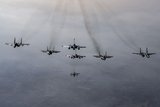
Serbia has reportedly been close to signing a €3 billion deal with France’s Dassault Aviation for up to 12 Rafale fighter jets. (Photo: French Air Force on X)
As Serbia considers a multi-billion-euro deal for French Rafale fighter jets, its move towards Western arms has signalled a significant departure from its reliance on Russian equipment, reflecting broader shifts in global defence procurement.


Russia’s international arms sales halved between 2019 and 2023. With war raging in Ukraine and sanctions hitting Moscow hard, the country fell behind France for the first time becoming the world’s third-largest arms exporter, according to Stockholm International Peace Research Institute (SIPRI).
As Russia’s influence wanes – the country exported major arms to 31 states in 2019 but only exported to 12 in 2023 – countries such as India are focusing more on their own military strengths and teaming up with old rivals. Age-old alley Serbia, meanwhile, has been increasingly turning to the West for military gear, marking change driven by practical needs and global politics. The trend will likely continue
Our news & analysis is now part of Defence Insight®
A Basic-level or higher Defence Insight subscription is now required to view this content.

More from Air Warfare
-
![UK A400M Saudi deployment highlights airlifter’s role as Airbus pursues upgrades]()
UK A400M Saudi deployment highlights airlifter’s role as Airbus pursues upgrades
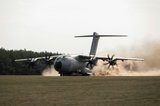
Airbus is developing new capabilities for its A400M transport aircraft as European countries consider future airlift requirements and the UK plans to deploy the aircraft to Saudi Arabia.
-
![The new generation of defence companies emerging from the US UAV boom]()
The new generation of defence companies emerging from the US UAV boom
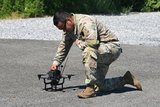
As the Pentagon accelerates procurement of low-cost, lethal UAVs through its Drone Dominance Program, emerging suppliers will need to demonstrate manufacturing capacity, supply chain resilience and reliability.
-
![US Coast Guard faces key procurement decisions after C-130J and MQ-9B orders]()
US Coast Guard faces key procurement decisions after C-130J and MQ-9B orders
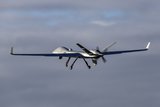
The service is updating several parts of its aviation fleet including fixed-wing and rotary-wing aircraft and procuring uncrewed aircraft to boost its maritime surveillance.