Air Warfare: European programmes, armed UAVs, guided rockets and more


Read the latest edition of Air Warfare for free in our app or on your desktop. Register below to be sent the download link and receive future editions direct to your inbox.
COMMENT
Even though the full industrial impact of the COVID-19 pandemic has yet to be felt, the manufacture of advanced aircraft such as the fifth-generation F-35 has already taken a hit. How will the sector cope with slowing production rates and the prospect of customers cancelling orders?.
Features include:

THE PRICE OF GAS
Against a backdrop of ageing legacy KC-135 and KC-10 fleets and the well-publicised delays to KC-46 deliveries, USAF planners are looking to industry to meet the service’s flight refuelling gap.
Other features include:
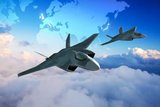
GETTING WITH THE PROGRAMMES
With the ability of even the largest Western European nations to single-handedly fund and execute a new combat aircraft programme now firmly a thing of the past, cooperative efforts are the only way forward to field a meaningful capability without reliance on US imports.
RIGHT TO STRIKE?
A controversial issue since the technology first made it possible, when and where to deploy armed UAVs remains a hot topic for defence planners across the world’s militaries as such systems proliferate..
AWAITING THE CALL
Weaponised crop dusters and turboprop trainers continue to be put forward by many OEMs as low-cost solutions for light attack missions. Shephard examines the market as US DoD interest shifts from the air force to US Special Operations Command.
HEAVYWEIGHT DEFENCE
As operators of heavy-lift helicopters look to address acute threats from more lethal enemy air defences, how will their EW packages stand up to such challenges? Shephard assesses the scene and examines how Germany and Israel are building towards buying new aircraft in this category.
CONVERSION POTENTIAL
Once regarded as a way of ‘using up’ legacy rockets, guidance kits are now seen as a versatile asset in their own right..
THE PERSISTENCE OF VISION
Manned ISR aircraft are critically important assets for armed forces around the world, with current trends favouring installation of collection suites and secure digital data transmission capability aboard proven, economical, civilian business platforms.




More from Air Warfare
-
![July air forces review: Farnborough steals the headlines as programmes develop]()
July air forces review: Farnborough steals the headlines as programmes develop
The biannual Farnborough International Airshow 2026 was the backdrop in July for scores of deals, partnerships and announcements, including developments in the multinational next-generation Global Combat Air Programme and the UK’s $486 million trainer aircraft requirement.
-
![FIA 2026: Bell highlights MOSA-driven growth path for MV-75 Cheyenne]()
FIA 2026: Bell highlights MOSA-driven growth path for MV-75 Cheyenne
Bell Flight’s modular open-systems approach for the US Army’s MV-75 Cheyenne could open doors for international allies and suppliers once locked out by closed rotorcraft architectures.
-
![Maximise survivability with advanced electronic warfare (video)]()
Maximise survivability with advanced electronic warfare (video)
BAE Systems’ all-digital EW delivers 360-degree threat awareness in contested environments, boosts survivability, and cuts lifecycle costs.
-
![US Air Force seeks avionics upgrades for ageing T-38 Talon as T-7A Red Hawk delays persist]()
US Air Force seeks avionics upgrades for ageing T-38 Talon as T-7A Red Hawk delays persist
The USAF is looking for commercial avionics solutions to improve the T-38 Talon’s reliability, readiness and flight safety as continued T-7A Red Hawk delays increase the likelihood that the legacy trainer will remain in service longer than planned.
-
![British Army’s Project Corvus selection highlights new era of drone sovereignty]()
British Army’s Project Corvus selection highlights new era of drone sovereignty
The UK’s choice of the Tekever AR5 for Project Corvus reflects a wider shift in military drone procurement towards solutions that centre on sovereignty and domestic production, moving away from overseas reliance.