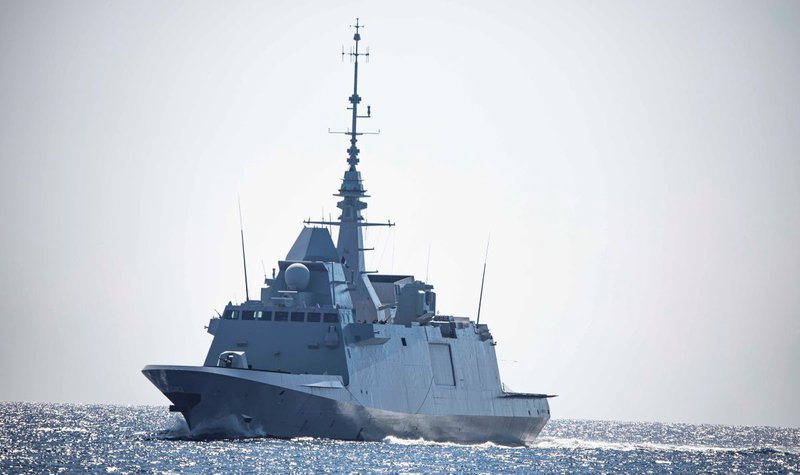
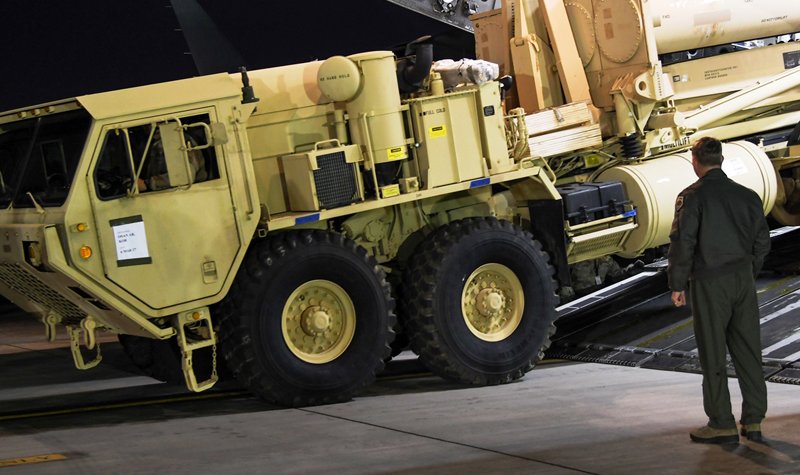
New interceptors and launchers could help navies preserve missile stocks during prolonged escort operations. Yet lower engagement costs will only improve merchant protection if the weapons are available where ships need defending.
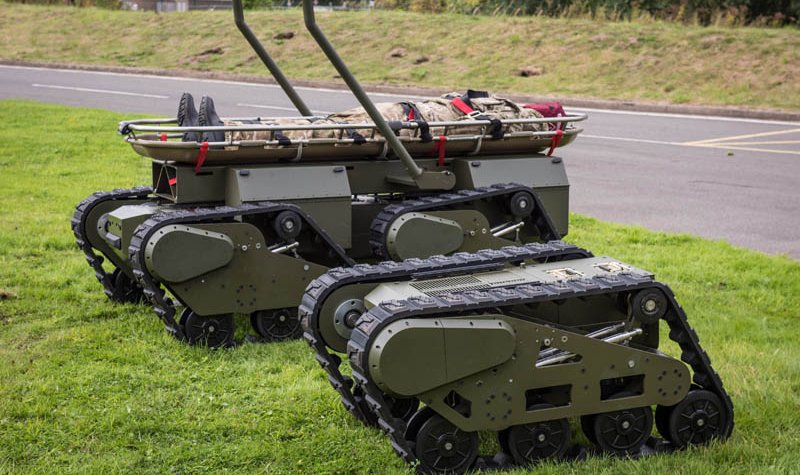
Western armies continue to test uncrewed ground vehicles, but wider procurement will depend on turning ambitions for autonomy into defined operational roles and funded requirements.
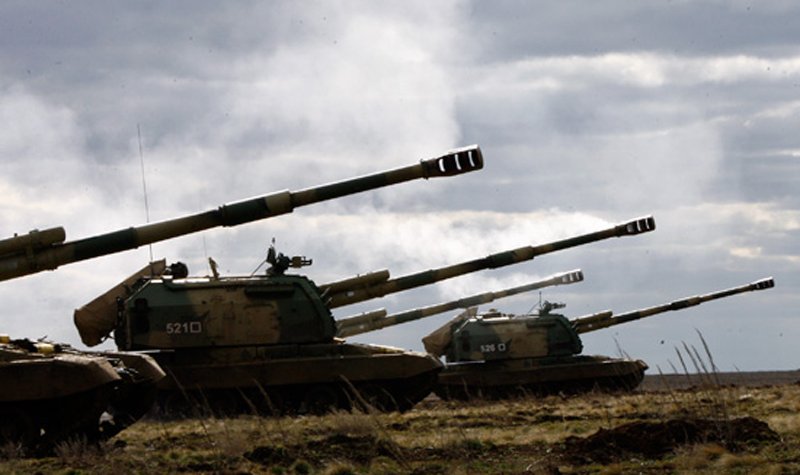
Artillery units of the Russian armed forces' Western Military District are set to carry out firing tests of the 152mm MSTA-S self-propelled howitzer and Tornado-G …
Shephard editor Grant Turnbull talks about the positive economic tone at DSEI 2017 compared with previous shows that were fixated on diminishing budgets. This edition of …
A new signals intelligence (SIGINT) centre developed by Israel Aerospace Industries (IAI) for an undisclosed customer has successfully achieved ‘phase 1’ of operational capability, the …
Israel Aerospace Industries (IAI) has introduced a new, compact version of its ELK-7065 ground and naval high frequency (HF) COMINT Direction Finder (DF) system, the …
Ahead of DSEI the UK procurement process has come under scrutiny as industry leaders question its future flexibility. ADS Group chief executive, Paul Everitt laid …
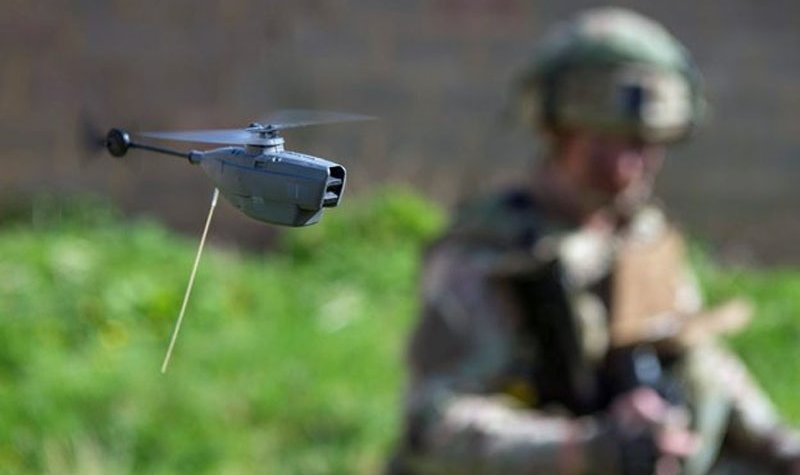
The Navy Special Warfare Basic Training Command (NSWBTC) SEAL Qualification Training (SQT) Land Warfare Team has released plans to use vertical take-off/landing (VTOL) UAVs to …
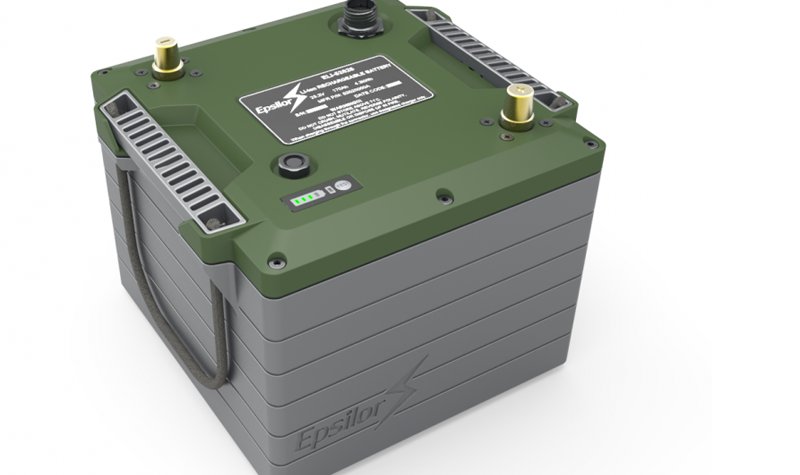
Epsilor has launched a new lithium rechargeable 6T battery product line, the company announced on 7 September. The new batteries are designed for next generation …
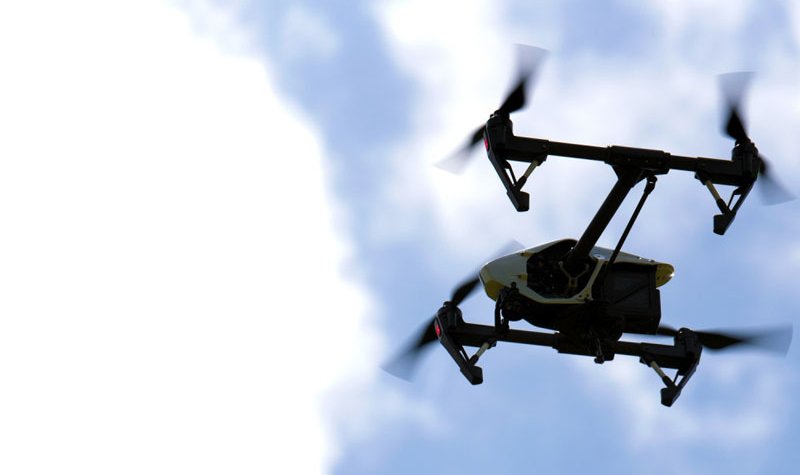
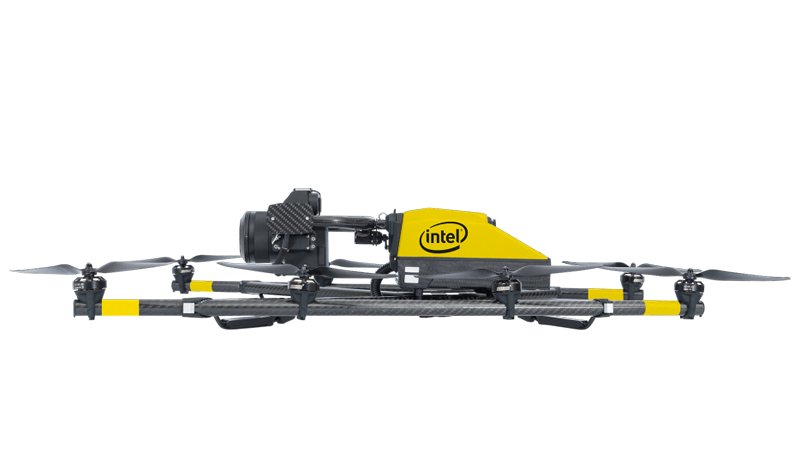
Honeywell has launched its first commercial UAS inspection service under a collaboration with Intel, the company announced on 6 September. The InView inspection service will …