


UK’s Fleet Solid Support ship programme deemed on track despite steel supply concerns
Shipbuilders are saying the programme is going ahead on time as the government estimates 7.7 million tonnes of steel are needed for 2026 infrastructure projects.


V-Step’s maritime simulators and training applications will be available in the Philippines market under a new strategic alliance with Poseidon Asia.
Poseidon Asia is the local office of Poseidon Simulation, which is part of the Poseidon Group with head office in the Lofoten Islands in Norway. The company specialises in the development of user-friendly and cost-effective PC-based maritime instrument simulators.
Under this agreement, V-Step’s NAUTIS maritime simulator solutions and virtual training software will be marketed to customers in the Philippines' maritime education and training sector, including maritime institutions, maritime training centres, and local ship management and crew manning companies.
NAUTIS provides simulator solutions and virtual training software for both civilian and naval military applications. Its DNV-certified simulators allow training in compliance with all known design criteria, class, and IMO requirements.
An official NAUTIS simulator demonstration centre will be opened in Manila to complement Poseidon Asia’s existing showroom and laboratory in Makati.

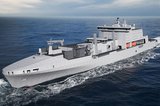
Shipbuilders are saying the programme is going ahead on time as the government estimates 7.7 million tonnes of steel are needed for 2026 infrastructure projects.
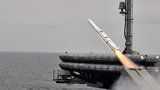
In an exclusive interview with Shephard, Raytheon’s VP of Shipboard Missiles disclosed what improvements the company plans to offer for the Sea Sparrow NSV.

Delays in the construction of the Polar Security Cutter – the future substitute for the Polar Star – are likely to prolong the ageing icebreaker’s service time even more, putting the USCG in a risky position.
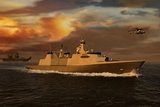
The adaptable design of Babcock’s Arrowhead 140 frigate, already selected by the UK Royal Navy and Poland, has led to more orders from Indonesia while other countries continue to weigh it up.
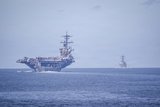
The presence of the USS Abraham Lincoln Carrier Strike Group in the Persian Gulf means additional naval and aerial capabilities, which provides the US with multiple attacking options.
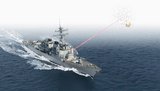
The US Navy’s acceleration of its laser weapon development initiatives reflects a decisive shift towards ultimately having a “laser on every ship” across tomorrow’s surface fleet.

Connect with us on socials


