SEA nets Royal Navy in-service support contract
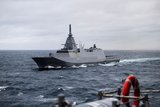
The contract covers support for the Duke-class Type 23 frigate. (Photo: SEA)
Under a new contract with the UK MoD, SEA will provide in-service support for the Combat System Highway (CSH) on UK RN ships for five years.


The CSH is a communications backbone fitted on surface ships to pass information between C2, sensor and weapons systems.
It allows operators to determine the status of a combat system and ensure mission availability, making it a crucial element of RN ships.
SEA Fleet Wide Combat Management project manager Samantha Bassett said: ‘With a detailed technical knowledge of the system and proven level of service on the CSH, SEA has demonstrated its ability to maintain the CSH’s mission availability.
Related Articles
Rolls-Royce awarded £85 million to support RN Type 23 engine
Standing NATO Maritime Group conducts training at sea
‘We have a productive working relationship with SEA’s in-service support team and look forward to working with them through the duration of this contract.’
Under the new award, SEA will support several ship types, including the Duke-class Type 23 frigates, among others. Work includes support for vessels and shore-based facilities.
SEA originally designed the CSH in the 1980s and provided in-service support over the network’s life, including through technological refreshes.


More from Naval Warfare
-
![Australian industry programme builds pipeline for Virginia-class sustainment]()
Australian industry programme builds pipeline for Virginia-class sustainment
Australian businesses can now bid to support Virginia-class submarine sustainment in Western Australia, as momentum around the Henderson Defence Precinct also builds.
-
![South Korea, Japan and Turkey vie for US shipbuilding access in future frigate contest]()
South Korea, Japan and Turkey vie for US shipbuilding access in future frigate contest
Washington’s search for a foreign-built frigate could hand South Korea, Japan and Turkey a larger prize than a double-hull order: a foothold inside the US shipbuilding industrial base.
-
![Japan’s FY2027 budget bets on stand-off systems to offset demographic decline]()
Japan’s FY2027 budget bets on stand-off systems to offset demographic decline
Japan’s FY2027 defence budget backs stand-off strike, a 17-aircraft MQ-9B buy and a declared bid to lead the world in uncrewed maritime assets, alongside new frigates, submarines and support ships.