


UK’s $1 billion AUKUS support request signals strong ongoing US collaboration
The latest foreign military sales request from the UK has implications for the future of the programme and collaboration between the three nations.


Huntington Ingalls Industries’ Ingalls Shipbuilding division has received a $5.1 billion fixed-price incentive, multi-year procurement contract for the construction of six Arleigh Burke-class Flight III destroyers for the US Navy.
The contract includes options for engineering and post-delivery efforts, which, if exercised, would bring the cumulative value of the contract to approximately $5.25 billion.
Arleigh Burke-class destroyers conduct a variety of operations, from peacetime presence and crisis management to sea control and power projection. The guided missile destroyers are capable of simultaneously fighting air, surface and subsurface battles.
Brian Cuccias, president, Ingalls Shipbuilding, said: ‘Destroyers represent the backbone of the navy’s fleet and play a significant role in the defence of our freedom. This contract for six additional destroyers is significant not only for the men and women who will spend the next several years building and delivering these quality ships, but also for the sailors who will operate these warships around the world ensuring there is peace back home.’


The latest foreign military sales request from the UK has implications for the future of the programme and collaboration between the three nations.

The USCG plans to award a contract this year for the construction of Homeland Security Cutters. The new vessels will replace the 60-plus-year-old fleet of Light Icebreaking Tugs.

The expansion of the Redstone facility in Alabama will enable Raytheon to increase production of Standard Missiles in the location by 50% and support Washington in refilling stockpiles after recent operations have depleted the Pentagon’s reserves.
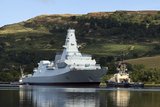
Major naval initiatives including the European Patrol Corvette programmes and Norway’s UK partnership-focused purchase of Type 26 frigates point to the growing interest in the advantages of commonality across allied navies.
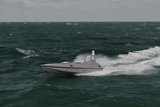
The UK Royal Navy’s rapid procurement of uncrewed platforms aligns with the force’s strategic shift towards a fleet better equipped to handle modern threats.
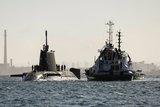
The Astute-class submarine’s visit to Australia was the first time maintenance activity on a UK Royal Navy nuclear submarine had been carried out in the country.

Connect with us on socials


