Uncrewed ground vehicles put to the test as NATO eyes autonomous shift
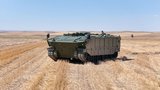
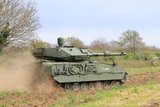
Diehl Defence’s UGV won the Mule trial for a second year running. (Photo: Diehl Defence GmbH & Co KG)
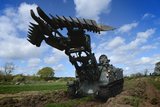
Uncrewed ground vehicles (UGVs) have long been overshadowed by their naval and aerial counterparts but are increasingly coming into their own for battlefield roles like reconnaissance, threat detection, demining or casualty evacuation. Recent developments in the capability were demonstrated at this year’s 2026 European Land Robot Trial (ELROB), which took place on 15-19 June.
ELROB was originally created after a suggestion from NATO to test uncrewed systems in realistic operational environment, leading the German Bundeswehr to set up the event. Specialists in robotics, 3D technologies and agentic AI from startups, university research departments and major defence manufacturers now attend ELROB to show off
Our news & analysis is now part of Defence Insight®
A Basic-level or higher Defence Insight subscription is now required to view this content.
More from Land Warfare
-
“No single technology is enough”: why an integrated approach to uncrewed warfare is essential
In Conversation… Ahmet Akyol, CEO of ASELSAN, talks to Shephard’s Gerrard Cowan about how the rapid evolution of uncrewed aerial systems (UAS) is transforming the battlespace, with militaries focused on both deploying these platforms to maximum effect and developing the defensive systems needed to counter them.
-
Lasers heat up for counter-drone option as DroneLight tackles the big question
Using lasers to defeat drones promises to solve the dilemma of using expensive kinetic effects to kill platforms worth a few hundred dollars. While maintaining thermal output to provide the effects can be a technical hurdle, Israel’s Esh-Tech is one company working on a solution.
-
France’s artillery rocket competition aims for sovereign solution as contest enters decisive phase
France’s requirement for a replacement MLRS is intended to provide the country with a sovereign capability to bolster the country’s strategic autonomy, with a final platform expected to be in service by 2030.
-
Raytheon UK team awarded US$2.7 billion British Army training contract
The British Army’s Collective Training System 15-year contract is planned to provide soldiers with an integrated, digitally enabled system and transform how they train, prepare and adapt for future missions.