


BAE Systems looks beyond the M113 replacement as it tests 30mm AMPV
The development demonstrates how the platform could provide additional firepower and growth potential while the US Army progresses its long-term replacement for the Bradley.


The research and design of the Japanese Future Amphibious Vehicle has begun to take shape as the country seeks to shore up defence of remote coral islands to its south.
The vehicle development programme will begin testing the amphibious vehicle in autumn 2019 and hopes to field the first vehicles by 2022, according to a defence official speaking at the International Armoured Vehicle 2019 conference held in Twickenham.
The two requirements for the vehicle are high water speed (HWS) and coral reef area manoeuvrability. Although still in the research phase, the end vehicle will have 3000 HP (2,200kW) class engine, and
Our news & analysis is now part of Defence Insight®
A Basic-level or higher Defence Insight subscription is now required to view this content.

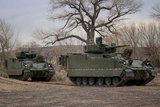
The development demonstrates how the platform could provide additional firepower and growth potential while the US Army progresses its long-term replacement for the Bradley.
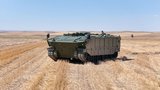
FNSS and PT Pindad are progressing the Indonesian tracked armoured personnel carrier programme as local production gets under way.
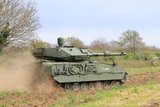
Firing trials of the Tulpar and Leonardo Hitfact Mk II combination follow an integration programme covering mechanical, electrical, electronic and software interfaces.
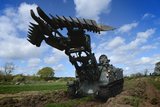
The news from Ukraine has again shown that antitank minefields and other obstacles on the battlefield, such as deep trenches, can play a key role in both offensive and defensive operations. Given this, there will always be a need to clear them, both during and after a conflict.
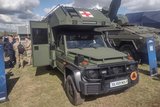
The UK Ministry of Defence has avoided being prescriptive in its search to replace the British Army’s Land Rover, meaning vehicle types being offered range from Land Rover Defender Wolf II and Humvee to the hybrid series Fering Pioneer. What does this mean for the procurement process?

The introduction of Ajax vehicles into British Army service was stopped after operator health issues were reported during an exercise, but manufacturer General Dynamics Land Systems UK believes work over the past 10 months has dealt with the problems.

Connect with us on socials


