


Why bridging the gap between military and COTS systems is key to seamless defence comms (Studio)
Technology that enables armed forces to leverage existing network infrastructure can be a game-changer in many combat scenarios.


At one time, it looked like the Indian Army would induct CAR 816 carbines from Caracal, but similar weapons will now be manufactured domestically. (Photo: Caracal)
The Indian Army has invited responses by 21 October from domestic vendors to its RfI for the planned procurement of 425,213 5.56x45mm CQB carbines worth an estimated INR35 billion ($430 million).
According to the 23 September RfI, an RfP for the carbines would be issued around November.
Industry officials said the bids by local vendors would incorporate collaborative ventures with overseas carbine manufacturers.
The proposed carbines would need to weigh around 3kg, measure no more than 800mm and possess an effective strike range of 200m, the RfI stated.
Mounted with a Picatinny rail to accommodate sights and other accessories,
Already have an account? Log in


Technology that enables armed forces to leverage existing network infrastructure can be a game-changer in many combat scenarios.
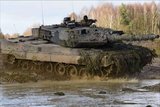
An effort to develop a new European main battle tank has passed several milestones on the road to a Preliminary Design Review which is expected within two years.

The British Army’s Ajax armoured personnel carrier has a chequered history but hopes were high when Initial Operating Capability was declared last year. More problems saw operations suspended but the MoD reports it has identified the problems and short- and medium-term solutions.
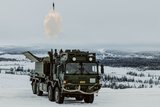
The Ragnarok Mortar Mission Module has demonstrated its ability to quickly switch platforms, presenting scope for it to be employed for multiple requirements.

The British Army’s plans to replace thousands of vehicles have been troubled with resets, delays and change. It is possible, however, that genuine progress is being achieved on two of the three segments in the programme.

The US Army’s organic industrial base still uses World War II production methods and technologies, leading to delays and cost overruns and limiting its ability to produce critical ammunition and maintain its ground fleet in operation.

Connect with us on socials


