


Rheinmetall Nordic’s Ragnarok mortar upgrade shows strong integration potential
The Ragnarok Mortar Mission Module has demonstrated its ability to quickly switch platforms, presenting scope for it to be employed for multiple requirements.


The Canadian Army’s 3rd Battalion, the Royal Canadian Regiment has received wearable vests with integrated communications equipment and accessories under the Integrated Soldier System (ISS) project.
Equipment under the ISS project is being delivered in three phases. The first phase involved the delivery of Argus wearable vest kits, which began in March. The next phase will see the equipment connected to army vehicles and integrated with additional equipment such as sensors. The last phase will incorporate any new technology. User feedback will be made along the last two phases.
The ISS technology includes smartphone-like devices built into a wearable vest with integrated communications equipment and accessories. It will allow soldiers to see, in real-time, where other connected soldiers are using the screen on the device; as well as generate reports, send messages, and share information. This will improve situational awareness, allowing soldiers to stay better connected to their teams and the entire chain of command during operations.
Rheinmetall Canada was awarded the contract to deliver systems for the ISS project in 2015.

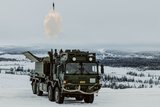
The Ragnarok Mortar Mission Module has demonstrated its ability to quickly switch platforms, presenting scope for it to be employed for multiple requirements.

The British Army’s plans to replace thousands of vehicles have been troubled with resets, delays and change. It is possible, however, that genuine progress is being achieved on two of the three segments in the programme.

The US Army’s organic industrial base still uses World War II production methods and technologies, leading to delays and cost overruns and limiting its ability to produce critical ammunition and maintain its ground fleet in operation.
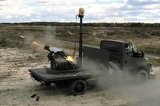
Manufacturers are speeding up their counter-drone development efforts as countries increasingly focus on procurements to provide battlefield and national protection.
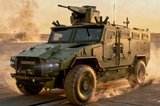
Finnish company SCATA will use the Texelis Celeris chassis for a new vehicle similar to the Serval 4x4 which Texelis is building with KNDS France for the French Army.
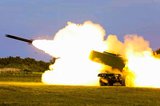
The proposed $920 million deal would provide Sweden with a step up from its existing tube artillery and align the country with other northern European nations that have selected the HIMARS platform.

Connect with us on socials


