BAE proposes digital shipyard for Australia


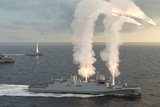
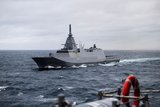
BAE Systems Australia will invest A$100 million in a new digital shipyard in Adelaide, South Australia, if the company is selected for the Royal Australian Navy’s Future Frigate programme.
BAE Systems Australia said it will facilitate the transfer to Adelaide of intellectual property and technical data – including the digital ship design optimised for the production of the company’s bid, the Global Combat Ship (GCS) – together with naval shipbuilding processes tailored to the requirements of the shipyard.
The design authority transfer will start in 2018, with an investment of over A$1.5 billion in design and engineering to develop the warship.
According to the company, the digital shipyard will ensure that every aspect of the ship during its design and construction is live and accessible to the crew and to those who are involved in the maintenance and upgrades of the fleet and approved suppliers.
Digitisation will also bring the ‘ship to life’ during its service life. Intelligent systems, on board and linked to those ashore, will monitor the performance of the ship and its systems allowing ship’s staff to focus on the right tasks and ensuring that the right parts and specialist help are available before they are needed.
The digital shipyard will also include inventory parts, cost and acoustic signature, and suppliers details.




More from Naval Warfare
-
![Suppliers await next step in Australia’s mine warfare transition]()
Suppliers await next step in Australia’s mine warfare transition
Australia’s mine countermeasure capability remains in flux as the Huon-class nears retirement, but accelerated investment in autonomous systems is opening a path for industry.
-
![Can the US Navy ask Indo-Pacific allies to do more while training with them less?]()
Can the US Navy ask Indo-Pacific allies to do more while training with them less?
As the Iran War draws US ships and marine corps units away from the Indo-Pacific, curtailed exercises and a temporary carrier gap are exposing tensions between Washington’s demand for more self-reliant allies and the joint training needed to realise that ambition.
-
![How could Rheinmetall’s GMF 140 fit with ongoing programmes in North America?]()
How could Rheinmetall’s GMF 140 fit with ongoing programmes in North America?
With Canada committed to its River-class replacement and the USN pursuing a lower-cost frigate, Rheinmetall will need to demonstrate where the GMF 140 can fill a capability gap in the North American fleet.
-
![Australian industry programme builds pipeline for Virginia-class sustainment]()
Australian industry programme builds pipeline for Virginia-class sustainment
Australian businesses can now bid to support Virginia-class submarine sustainment in Western Australia, as momentum around the Henderson Defence Precinct also builds.
-
![South Korea, Japan and Turkey vie for US shipbuilding access in future frigate contest]()
South Korea, Japan and Turkey vie for US shipbuilding access in future frigate contest
Washington’s search for a foreign-built frigate could hand South Korea, Japan and Turkey a larger prize than a double-hull order: a foothold inside the US shipbuilding industrial base.